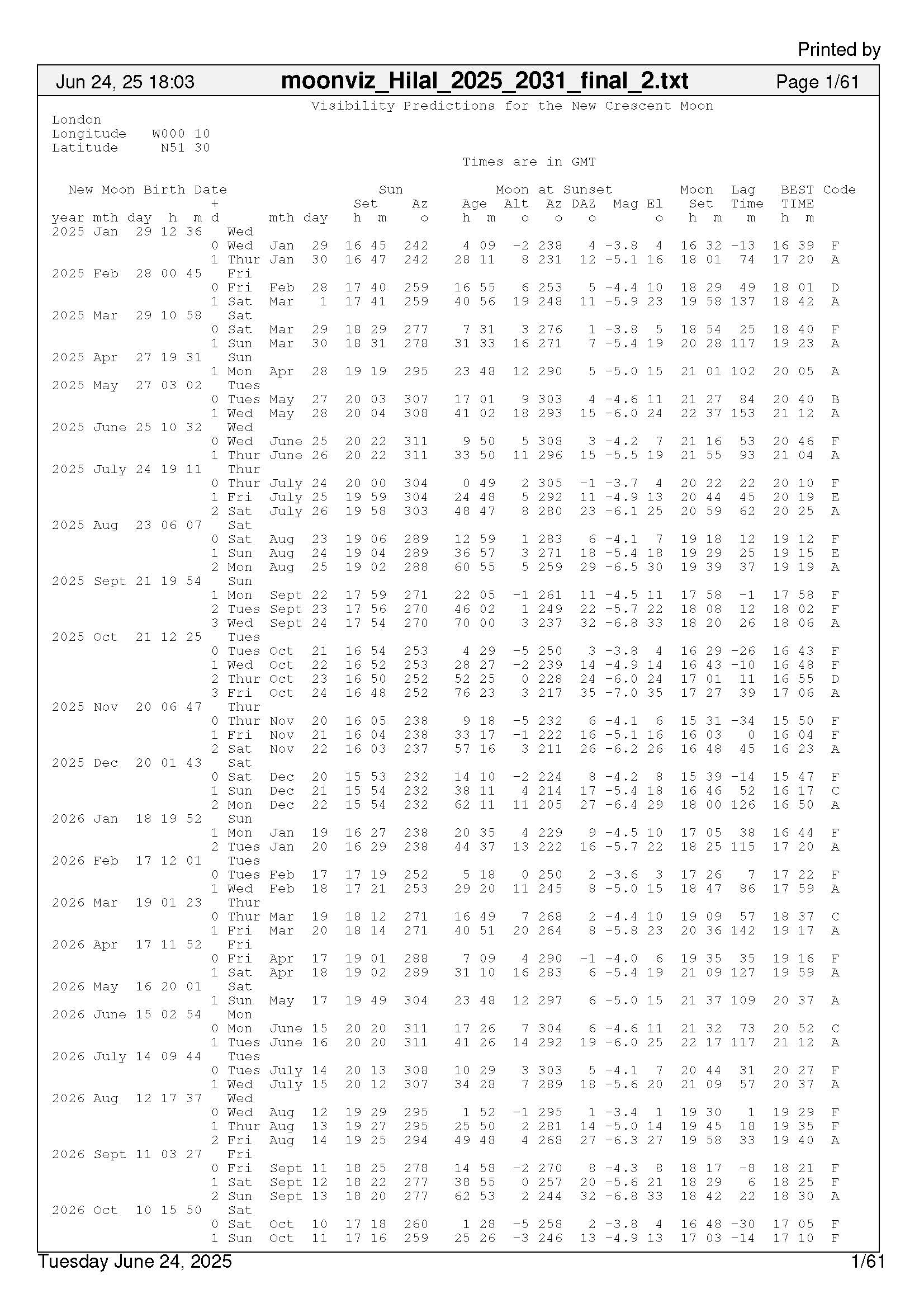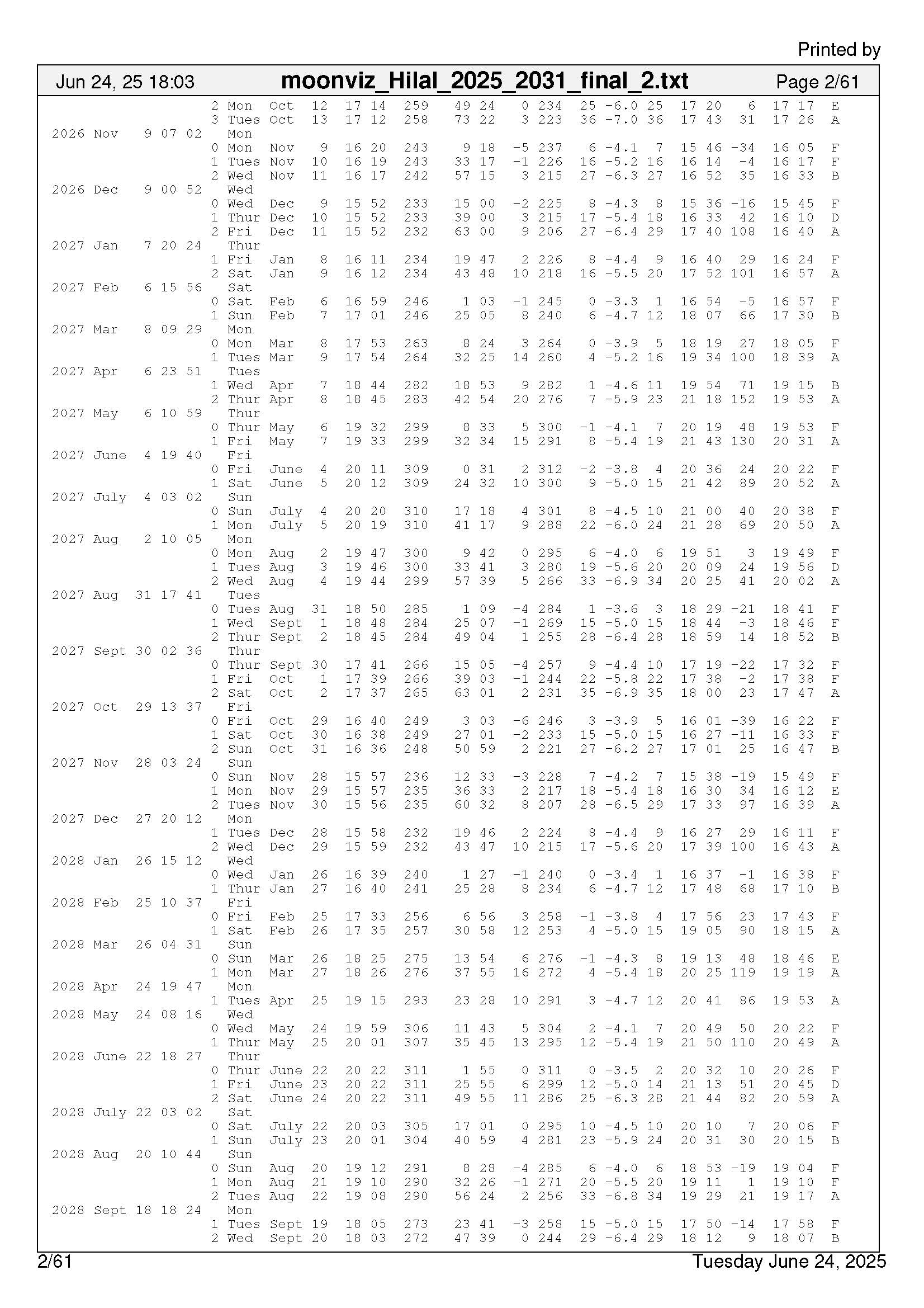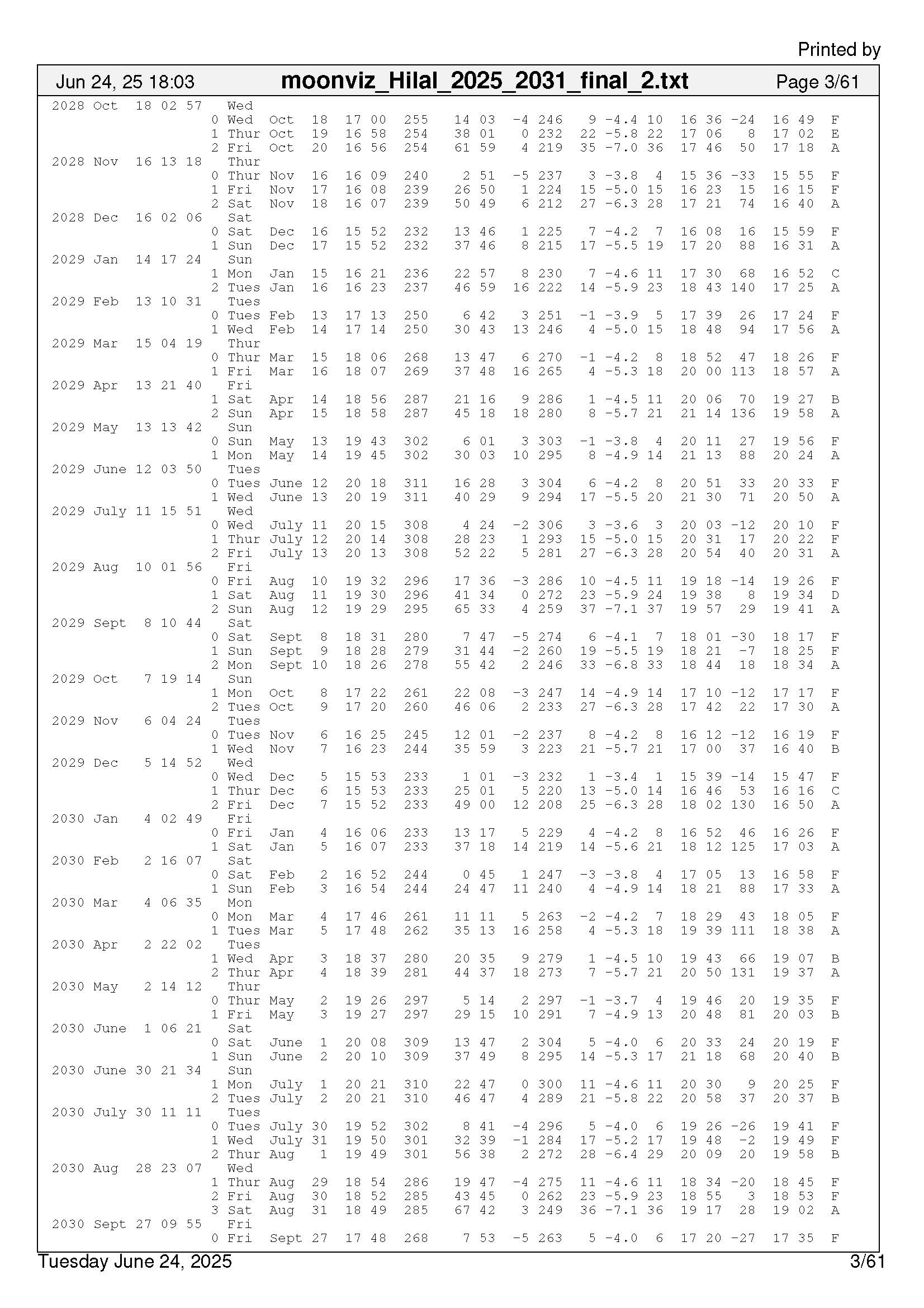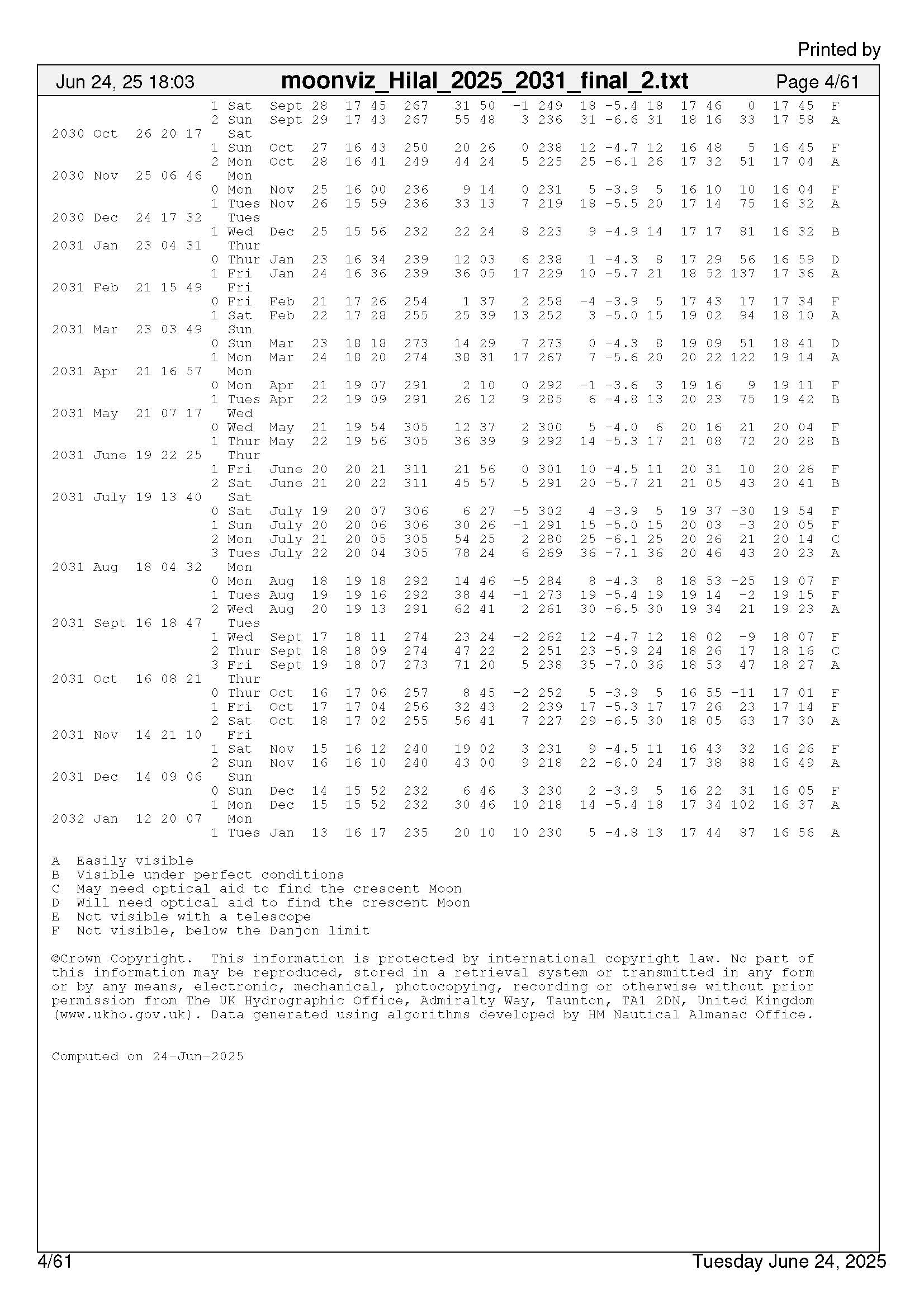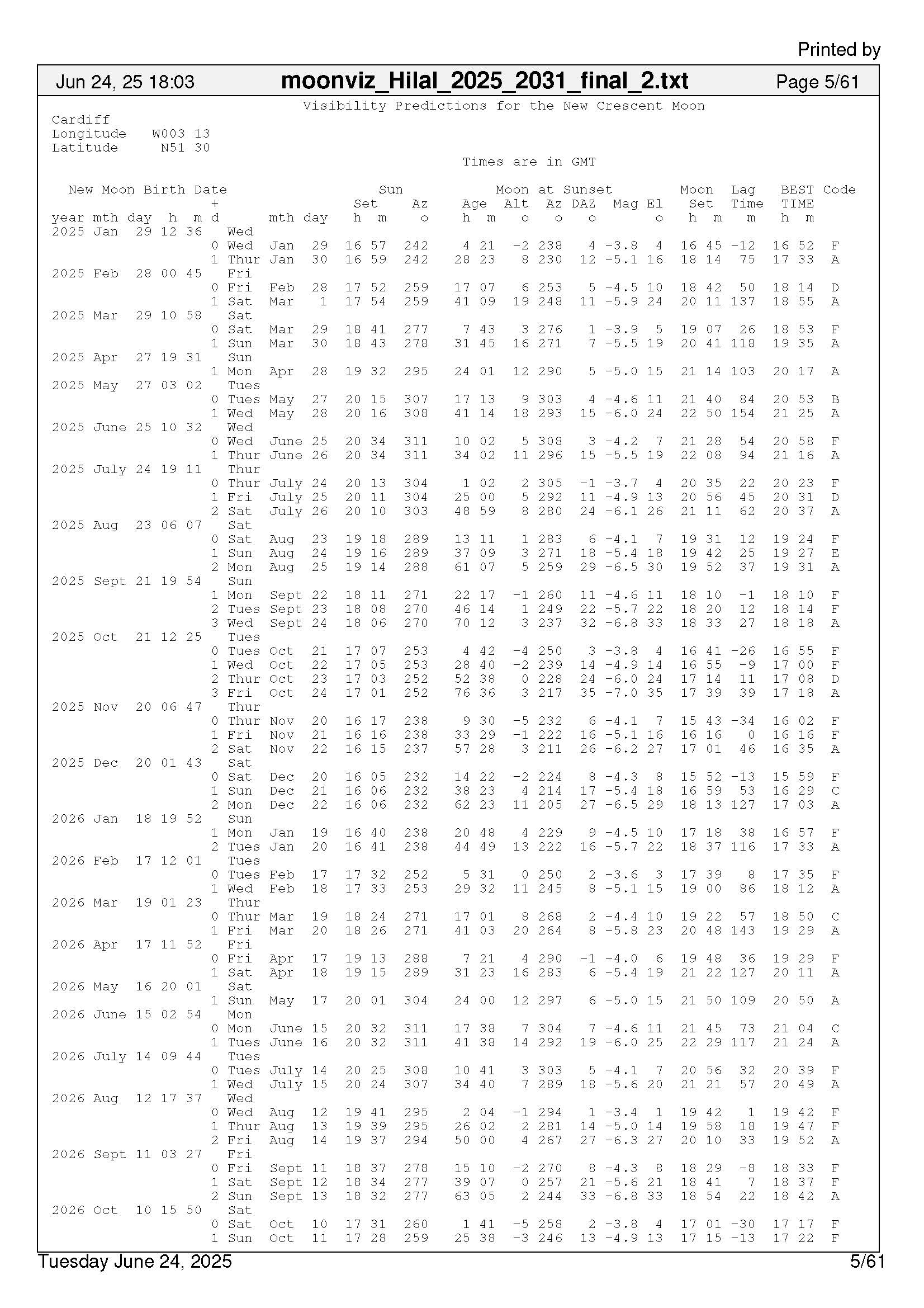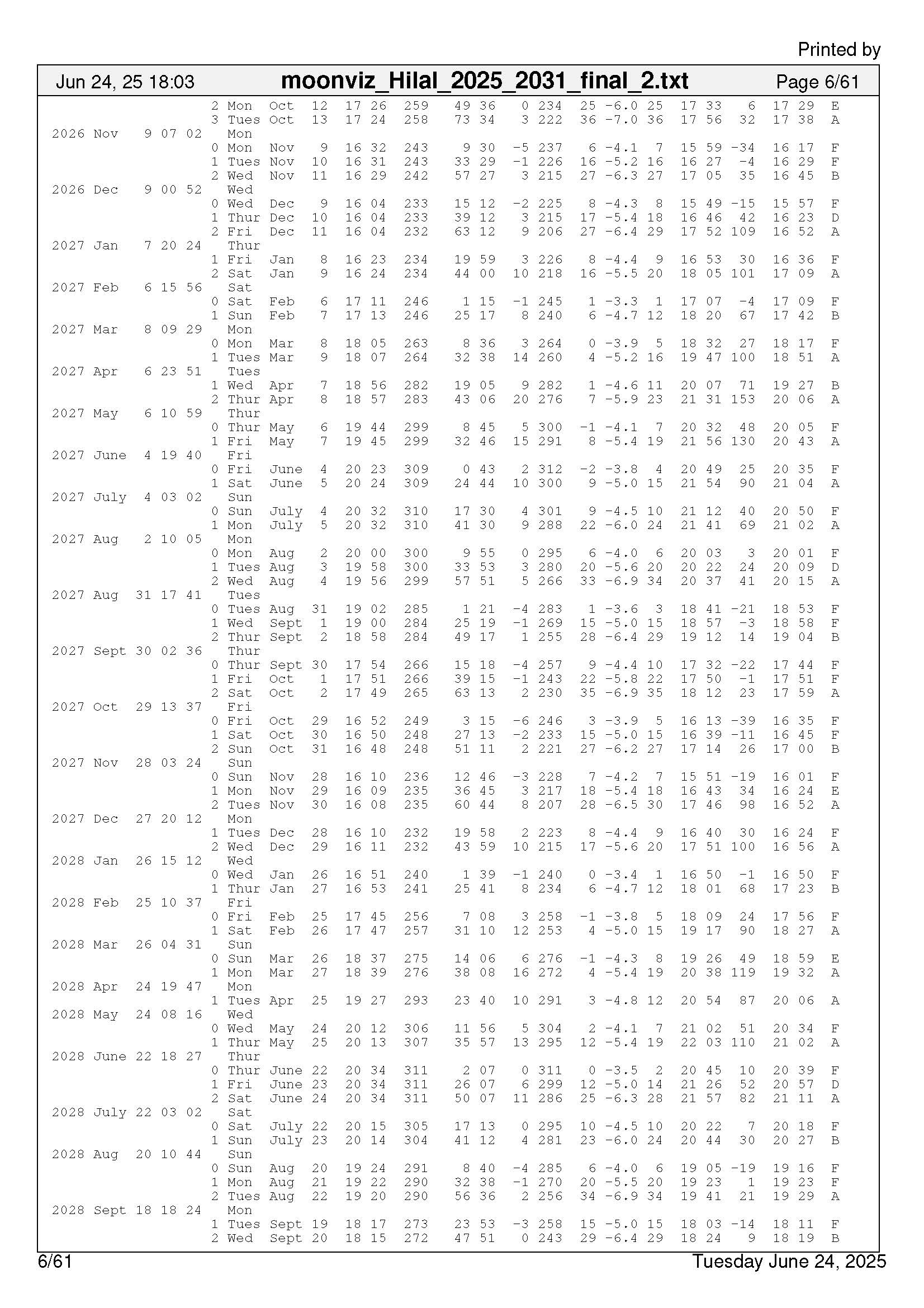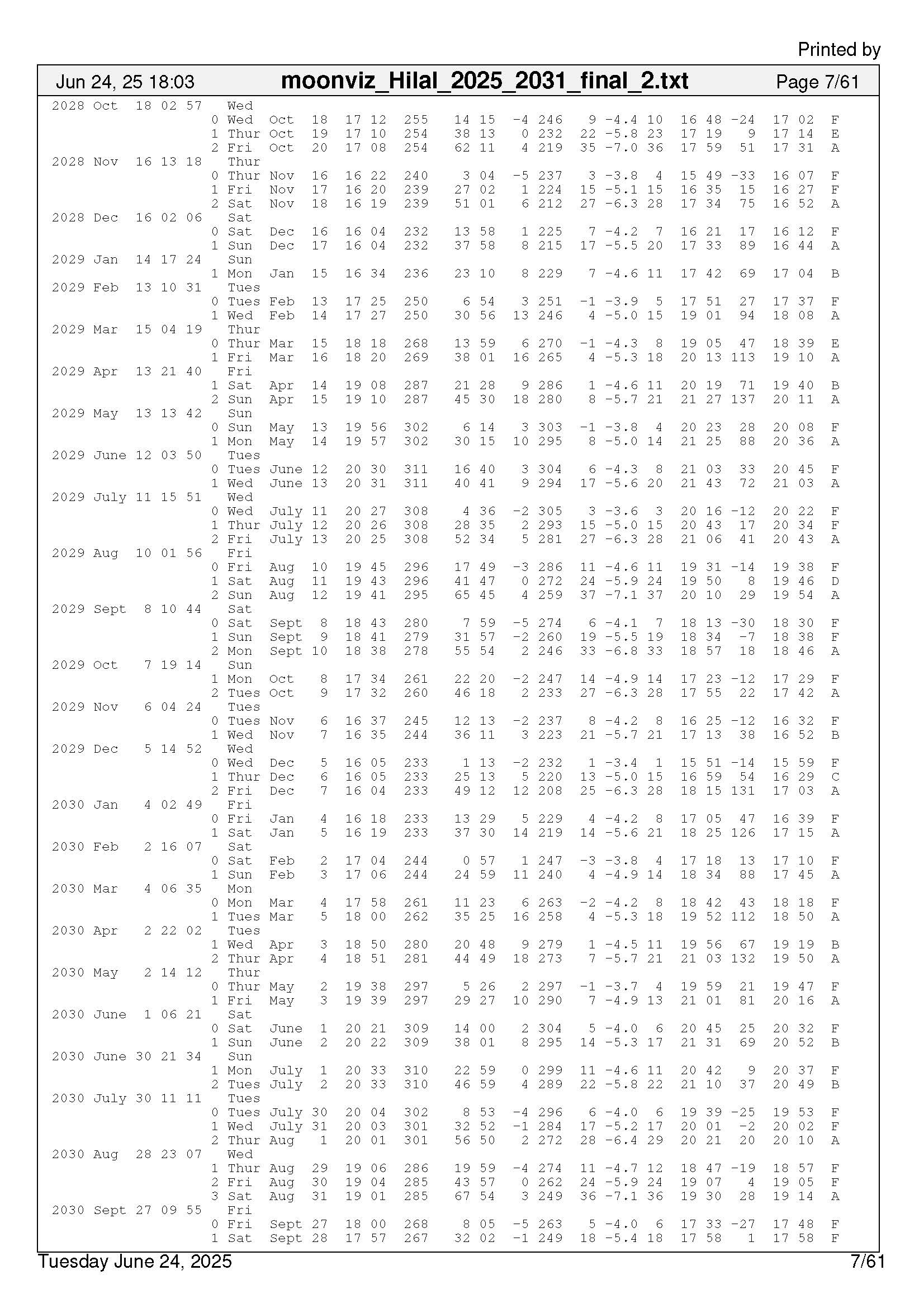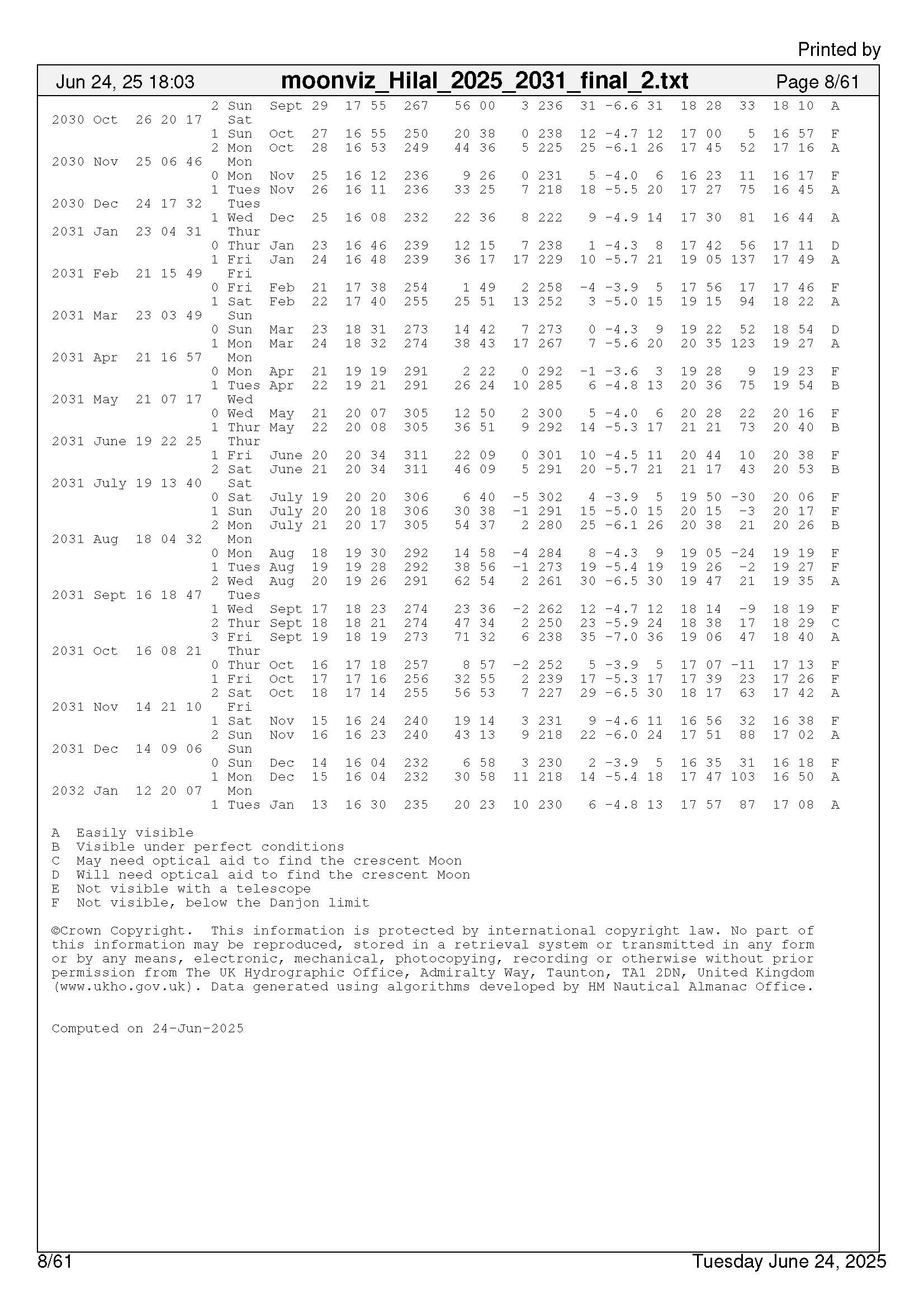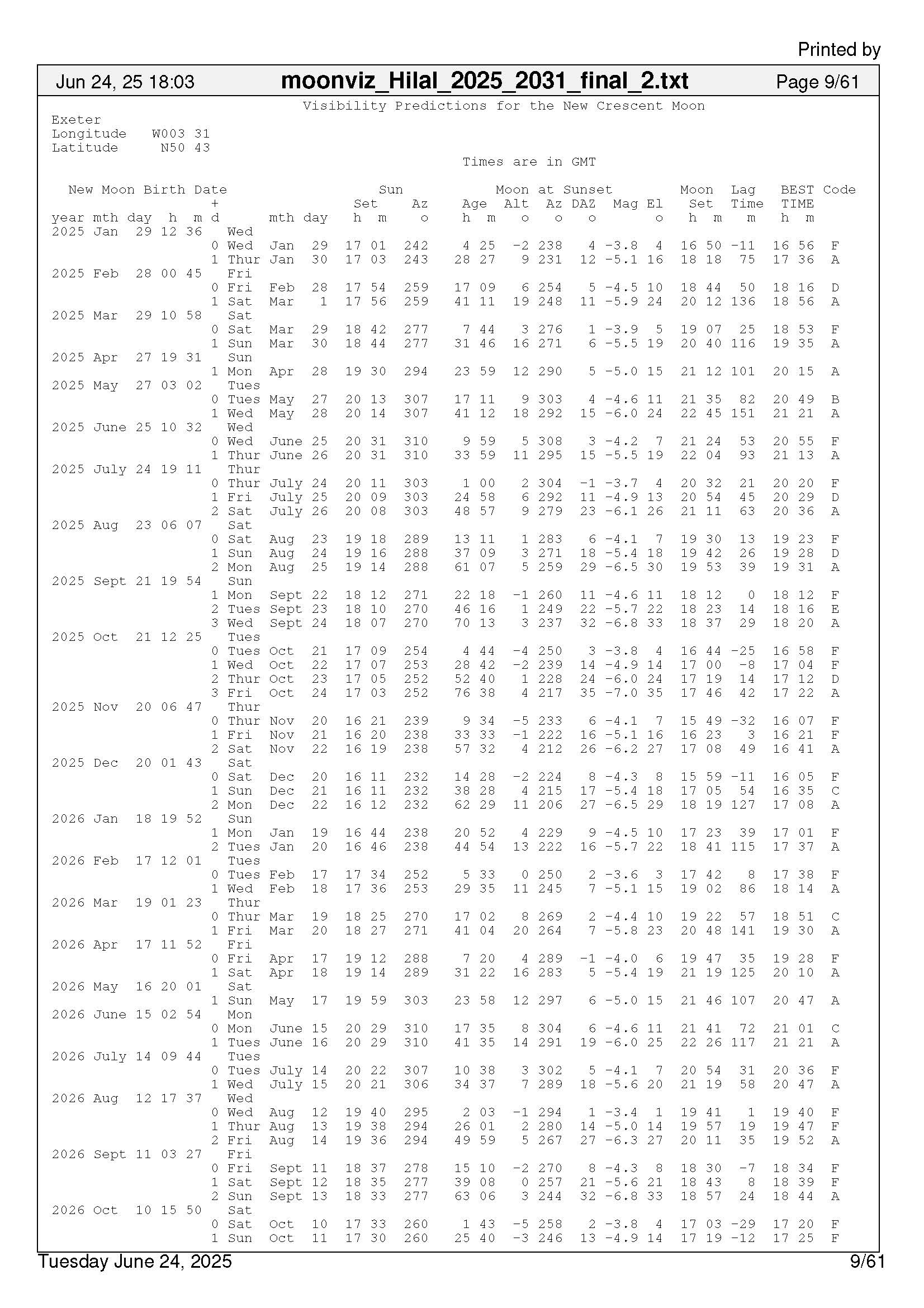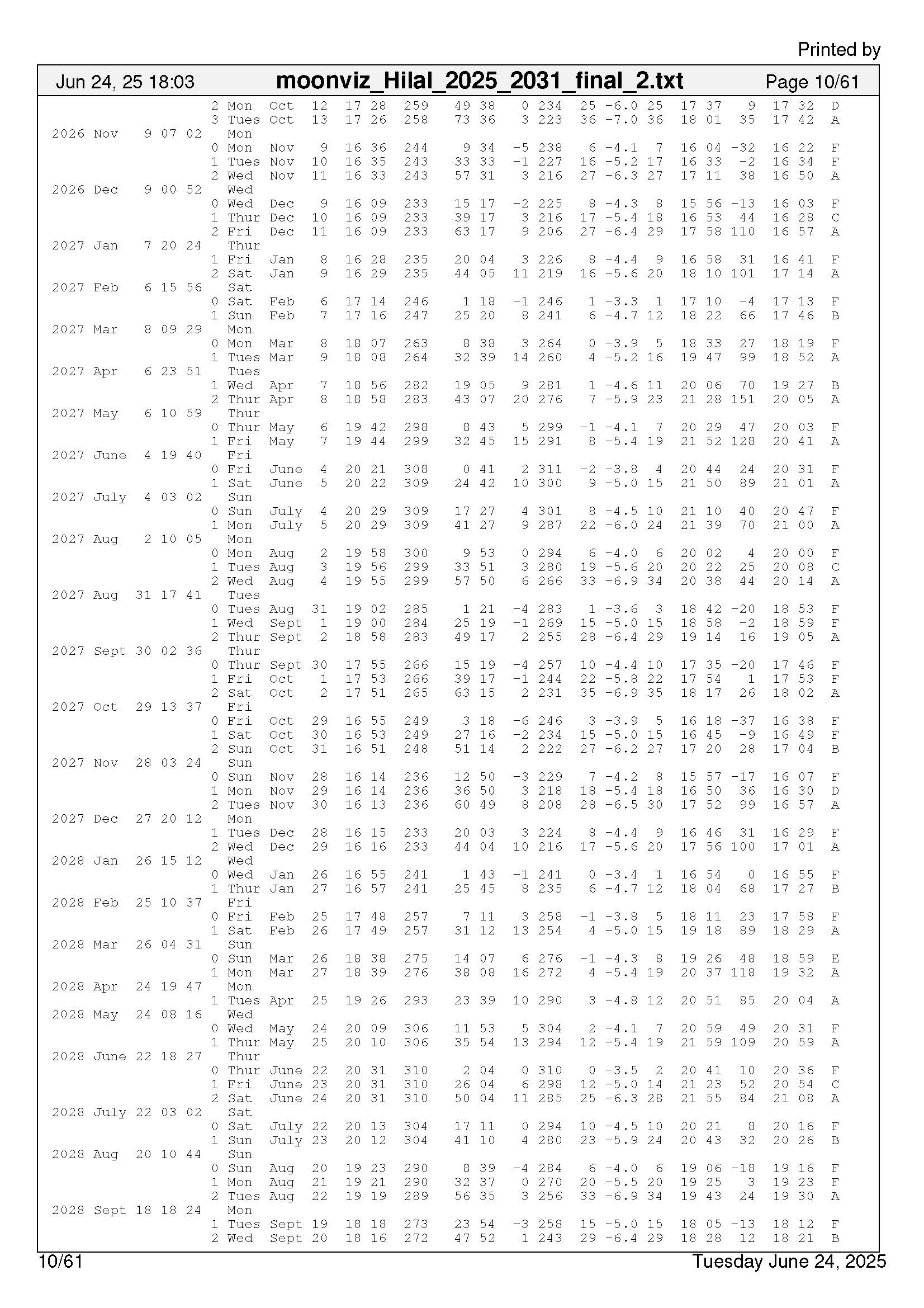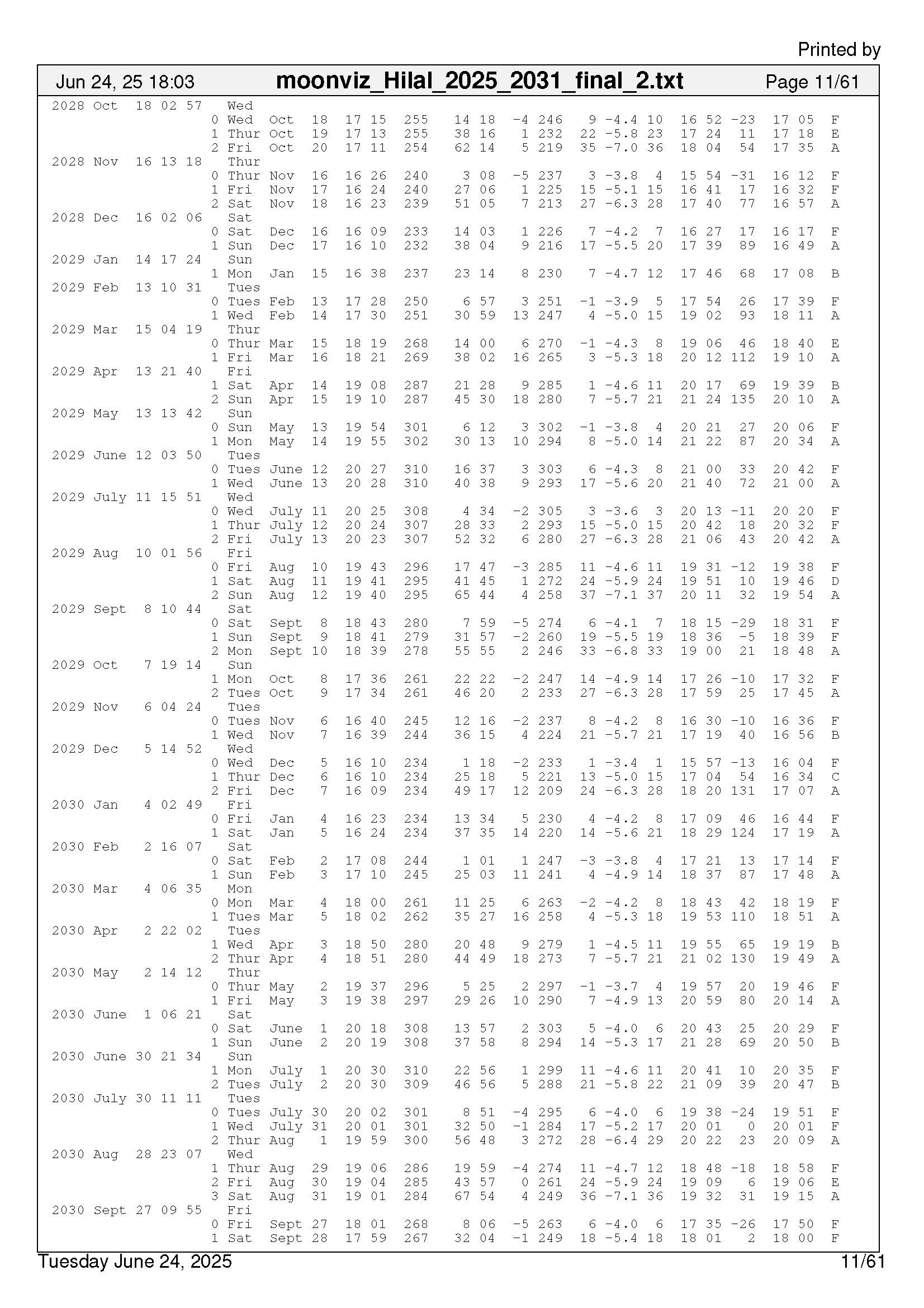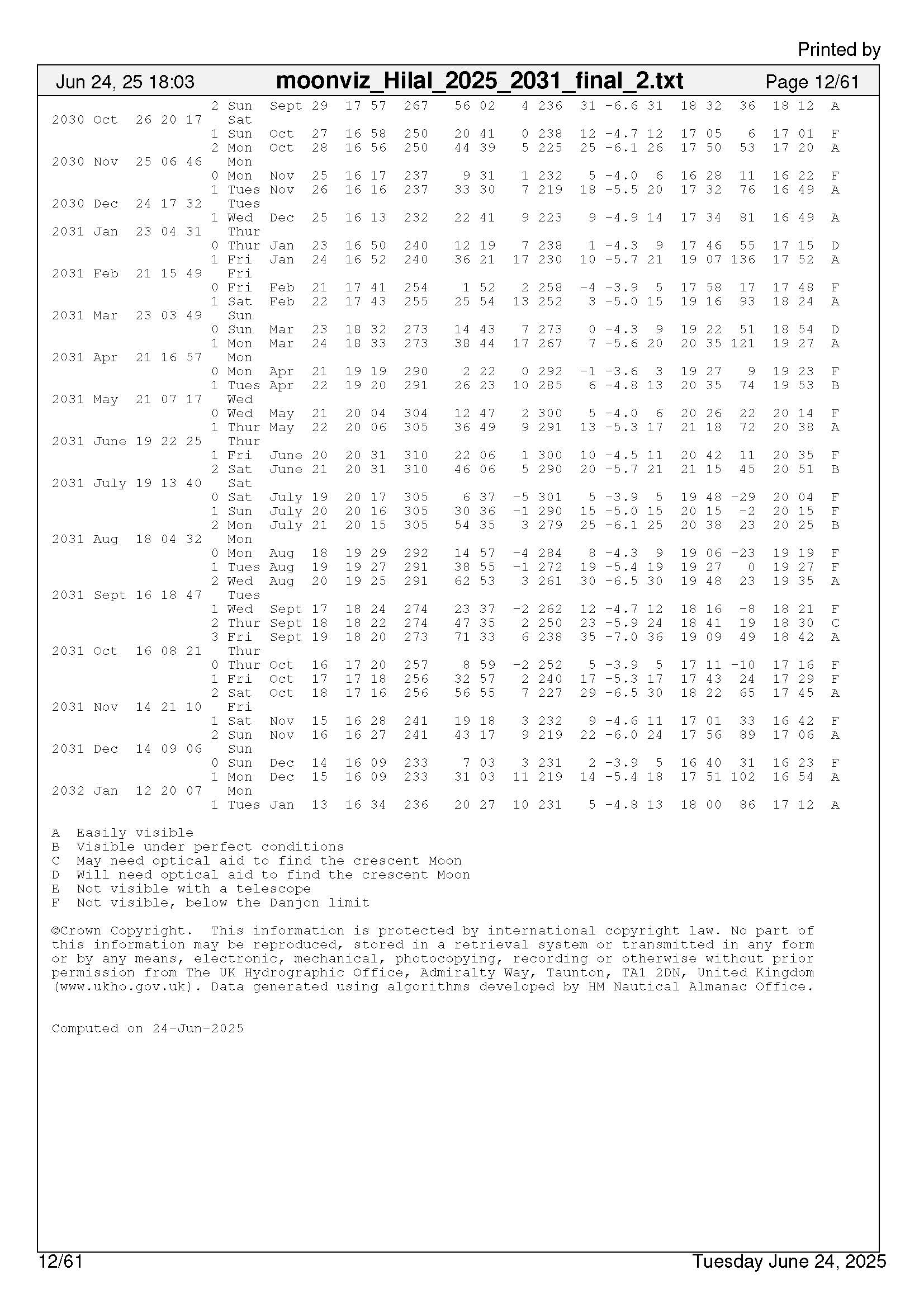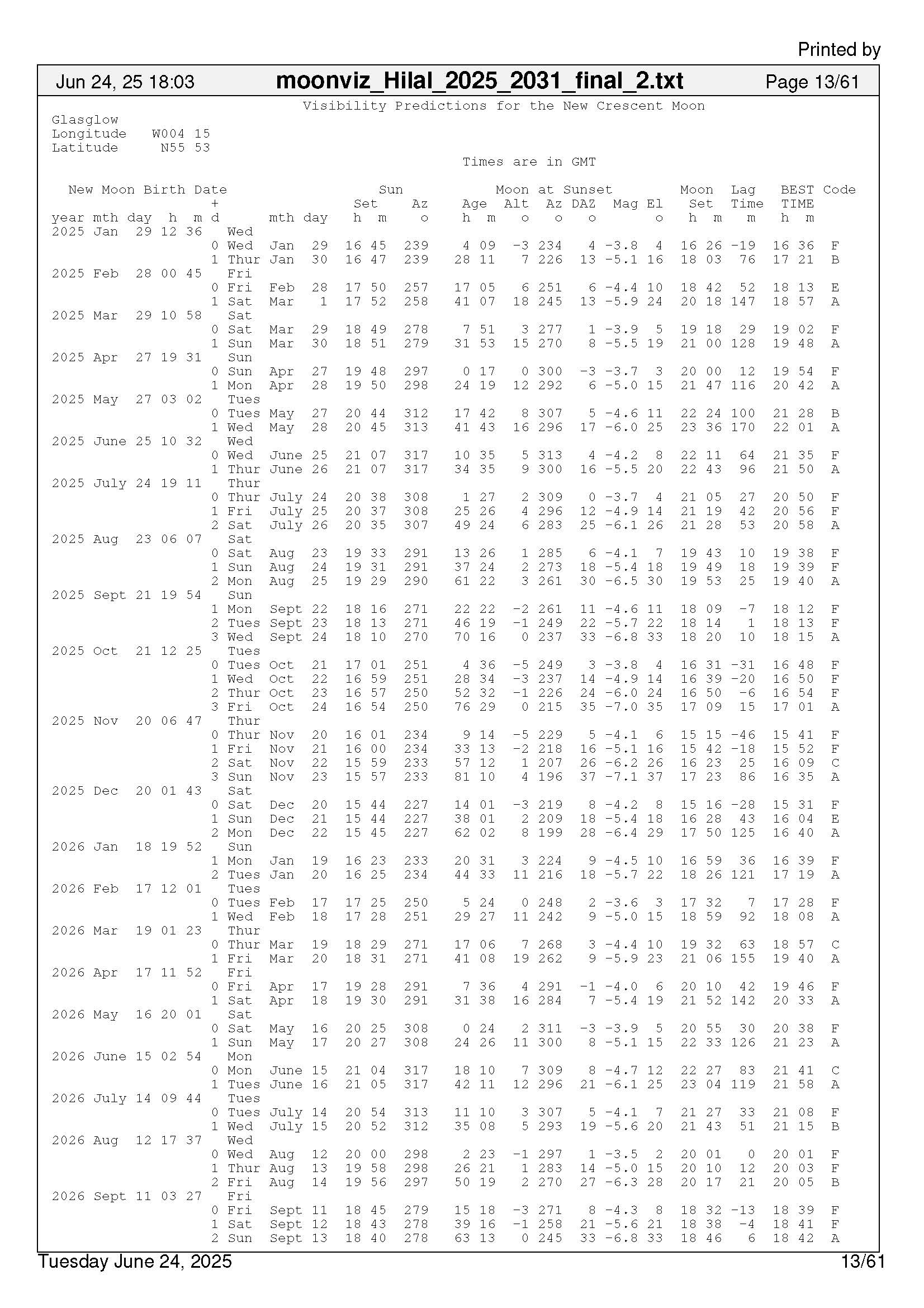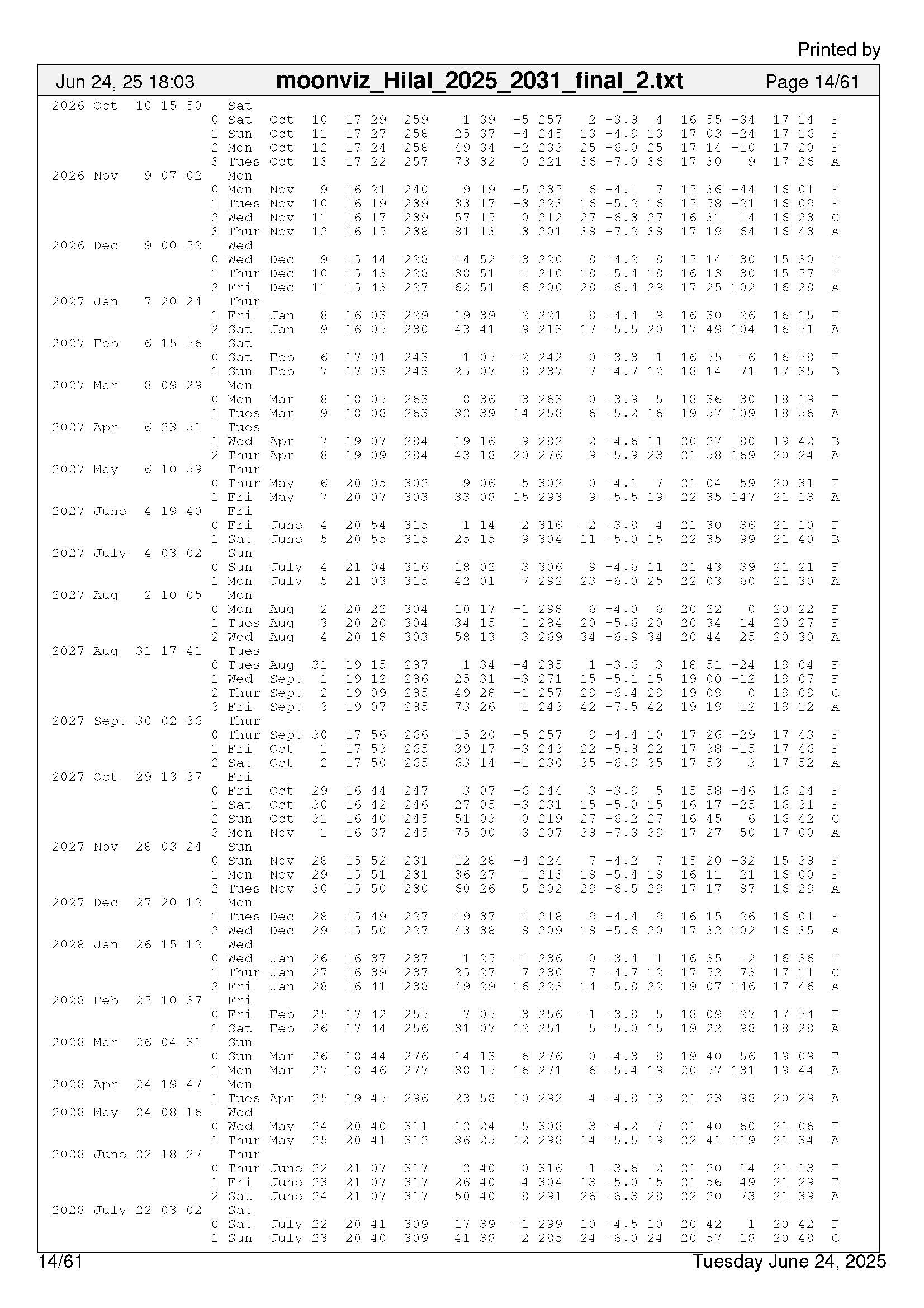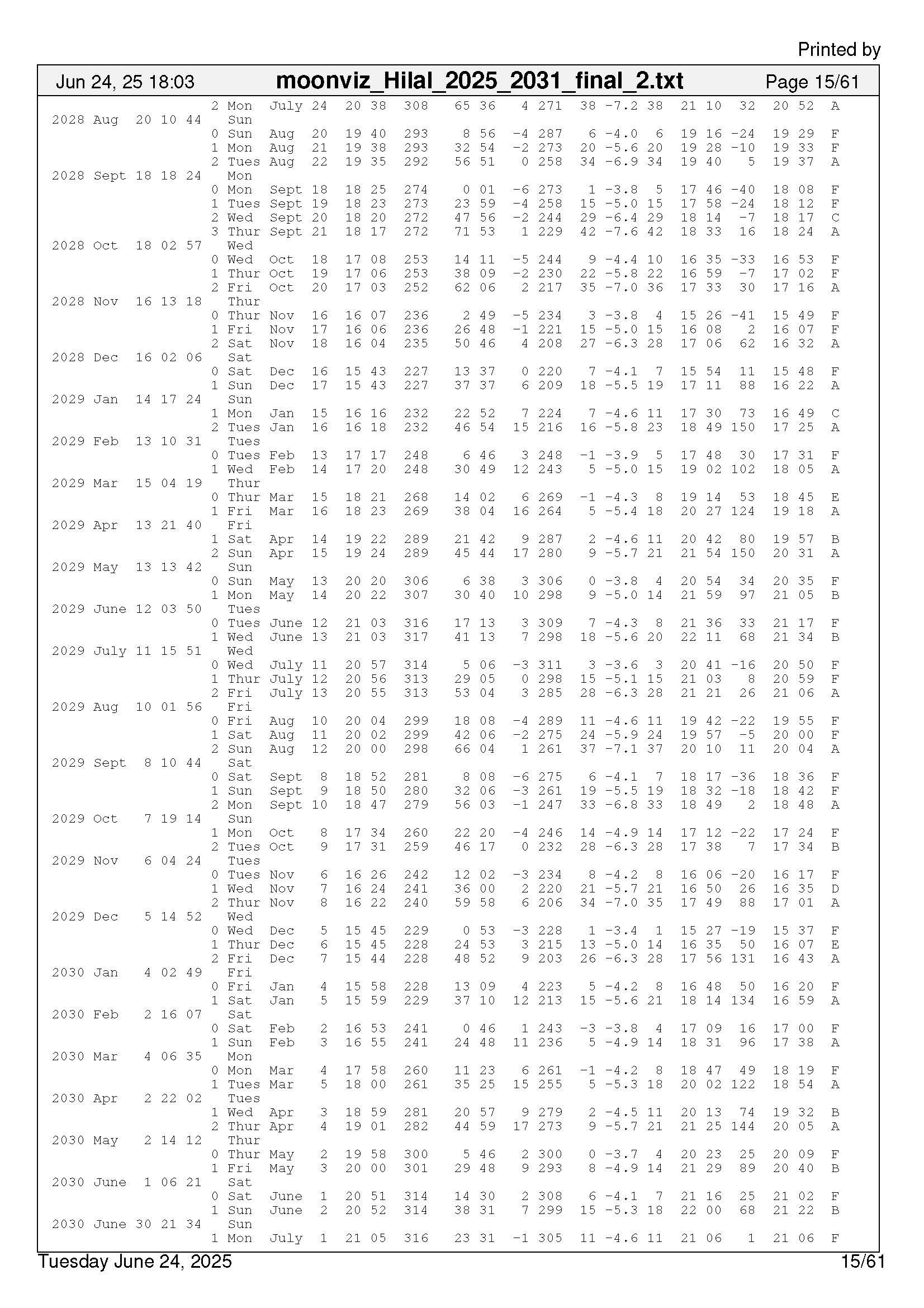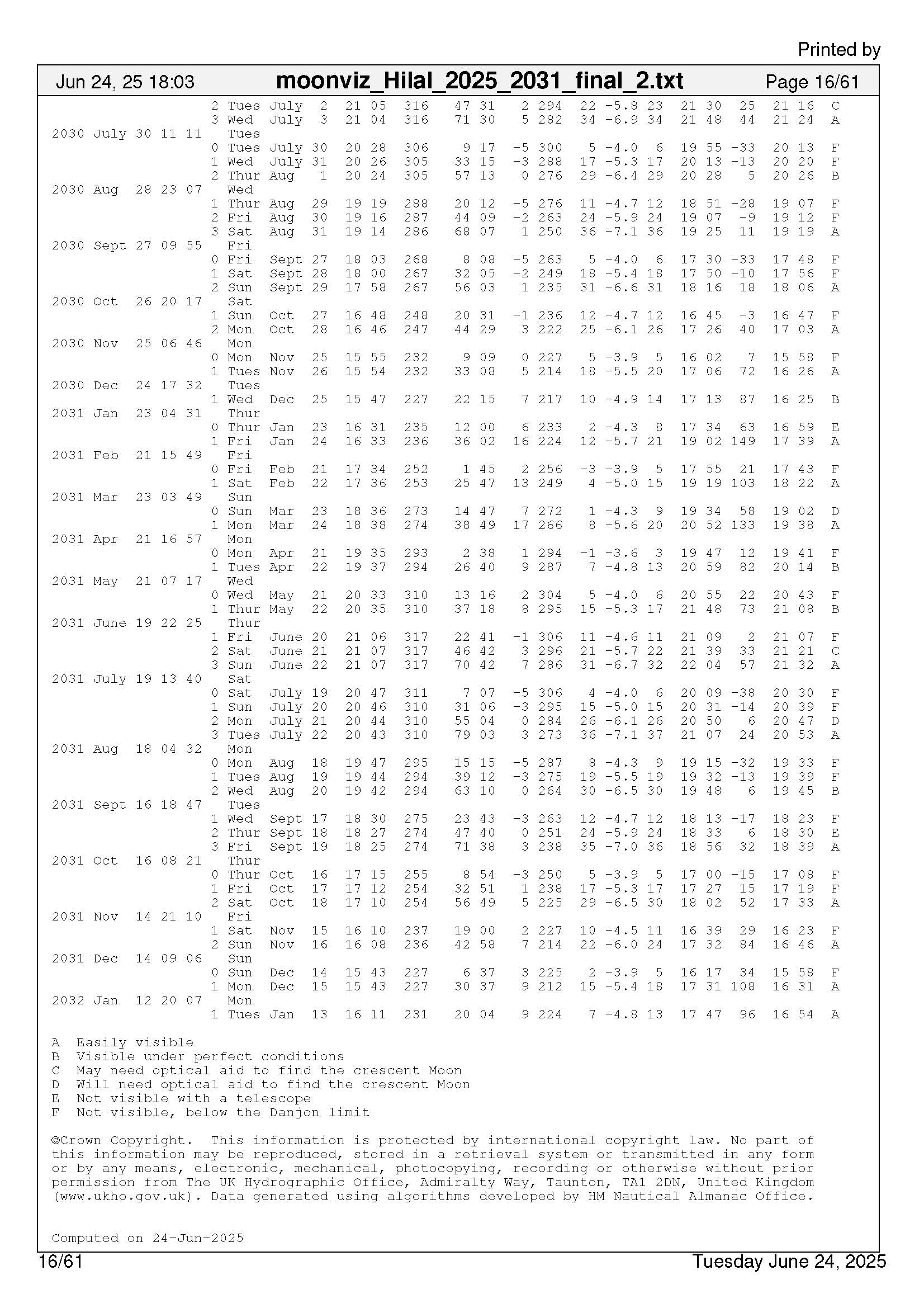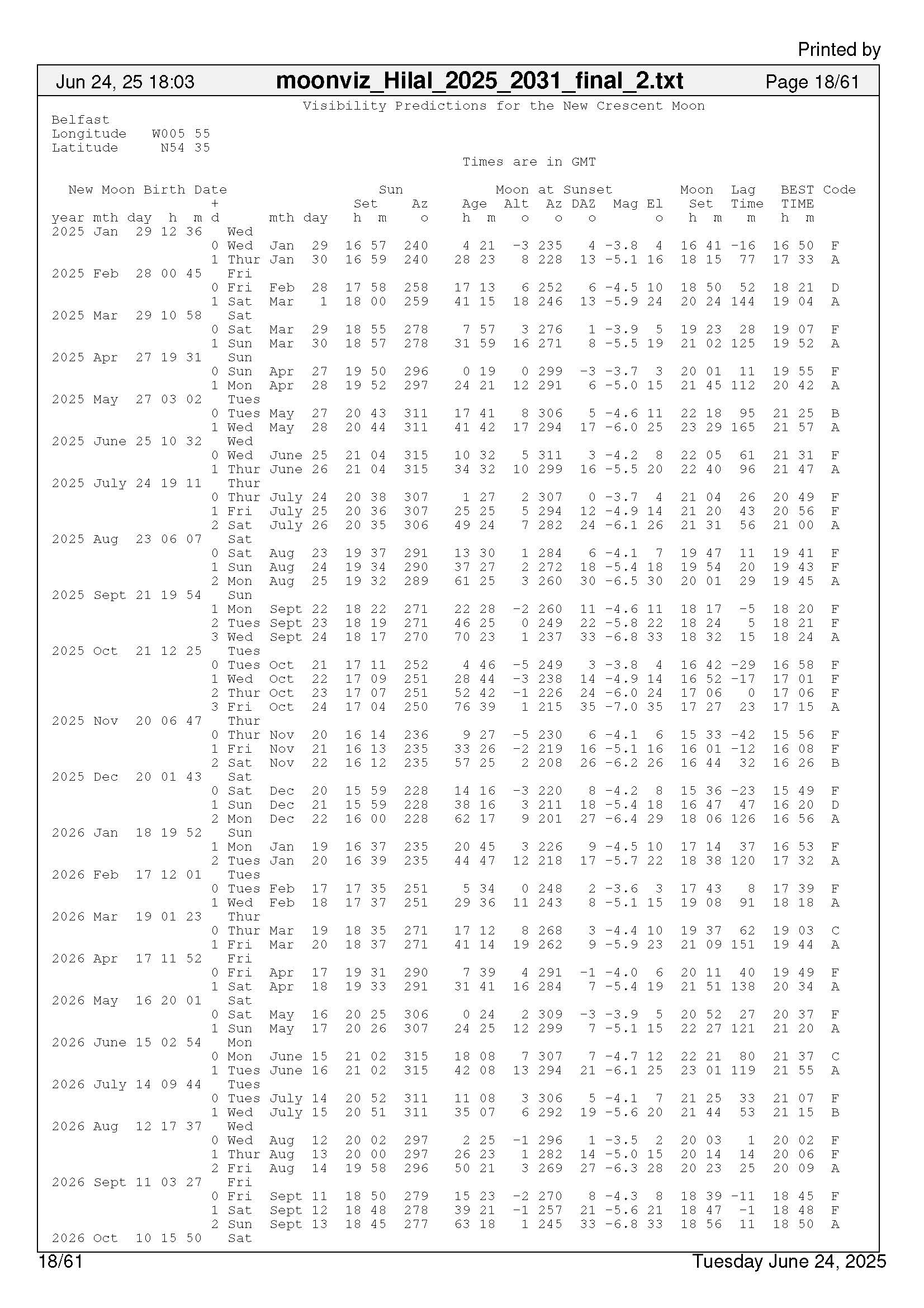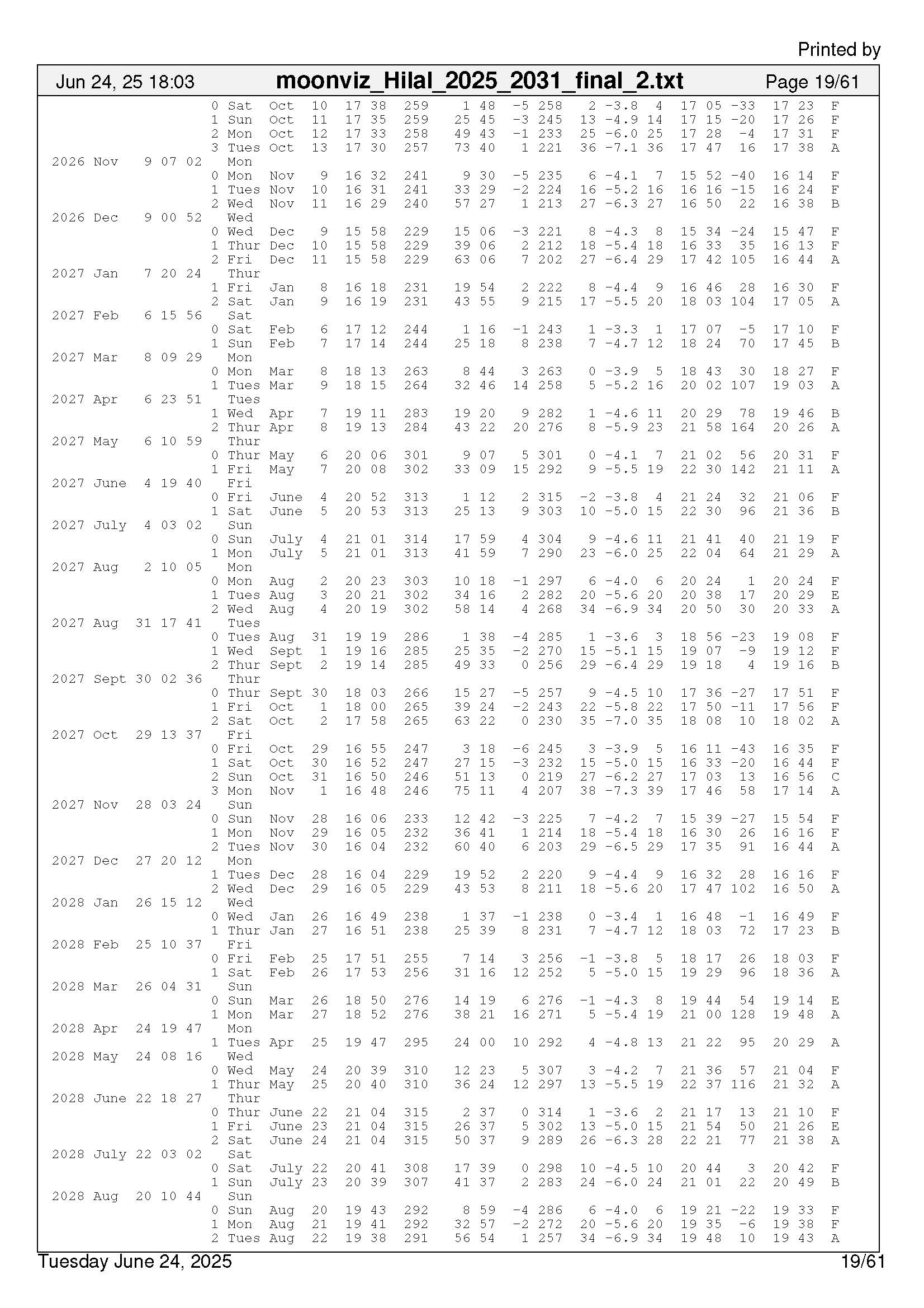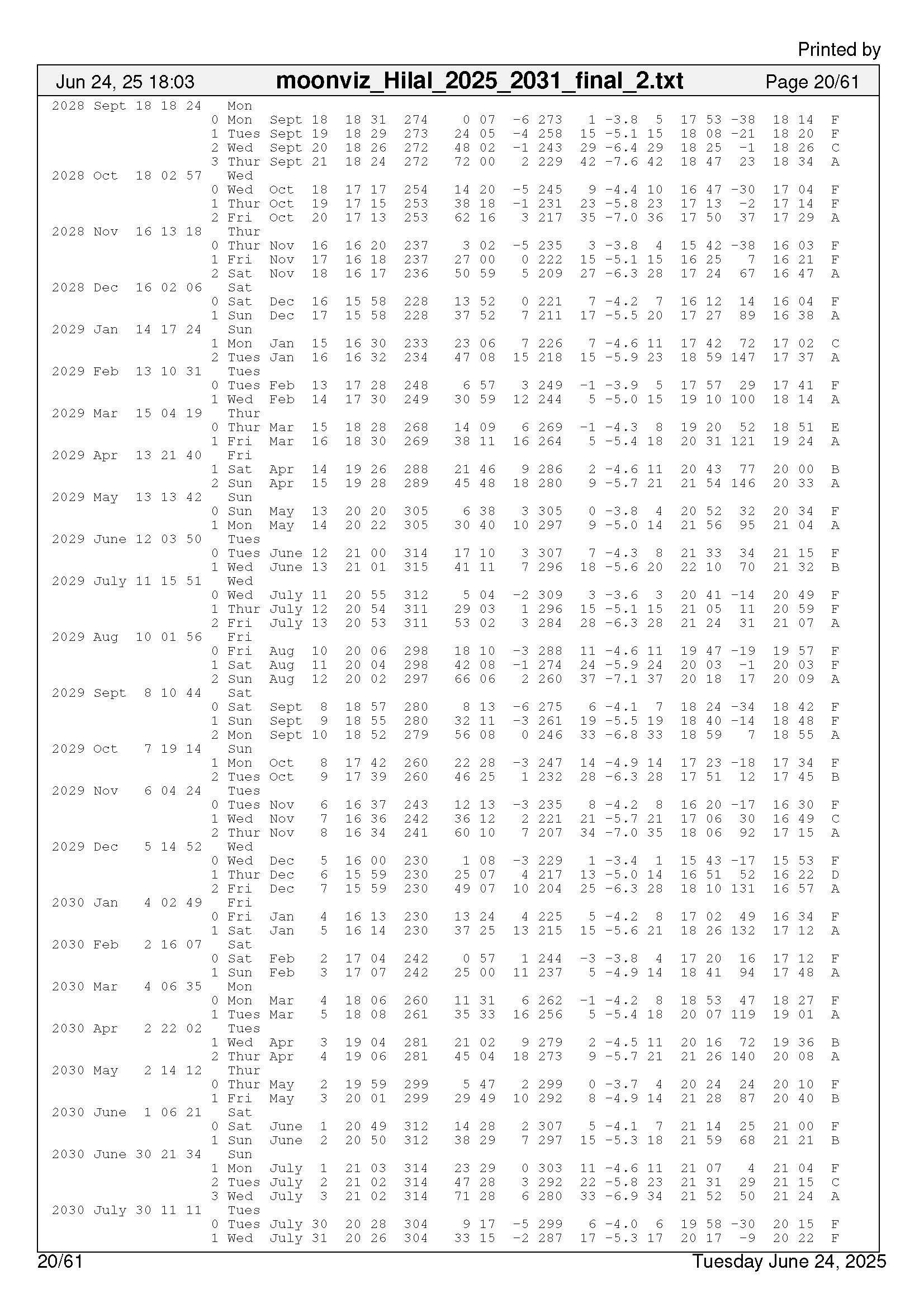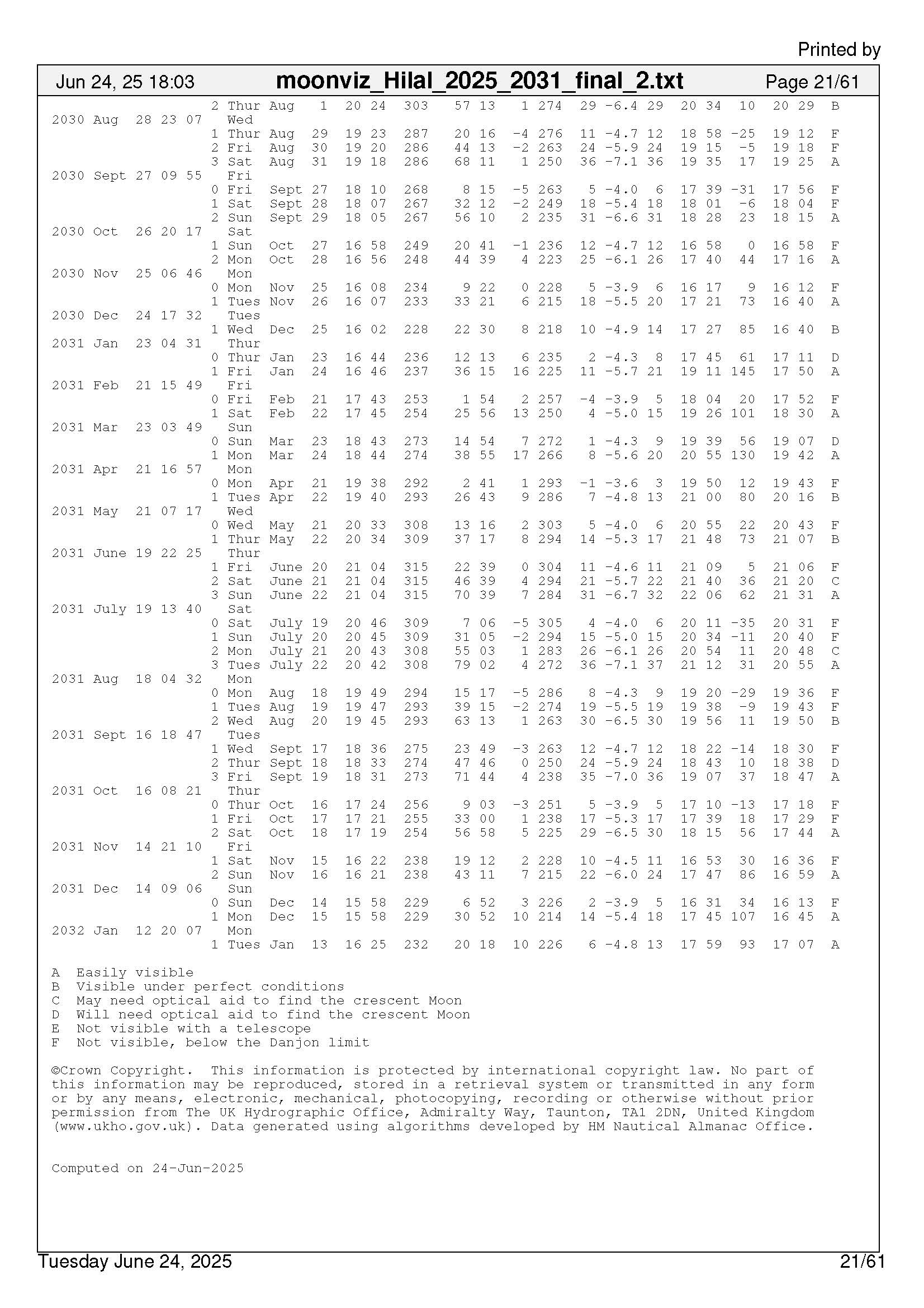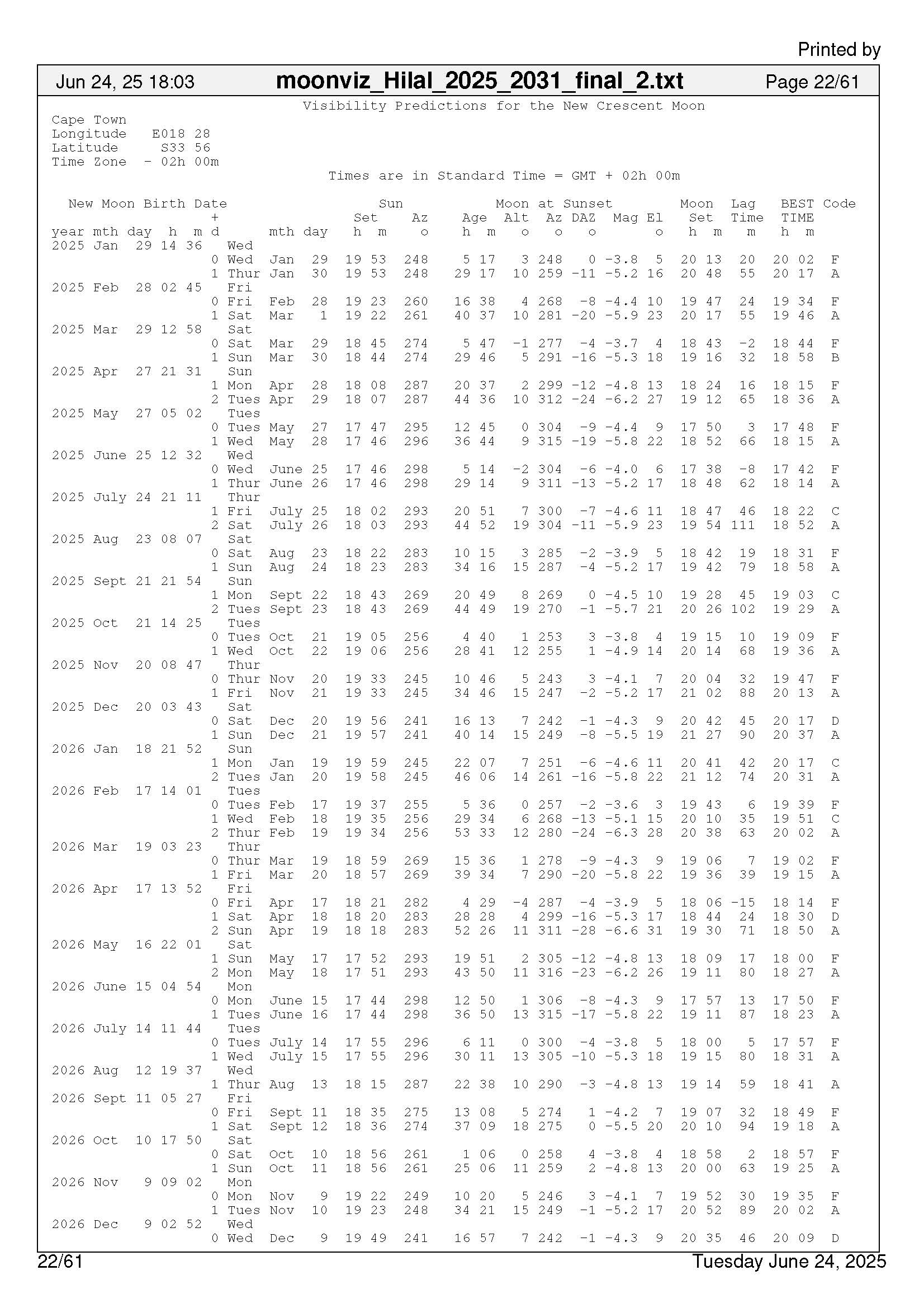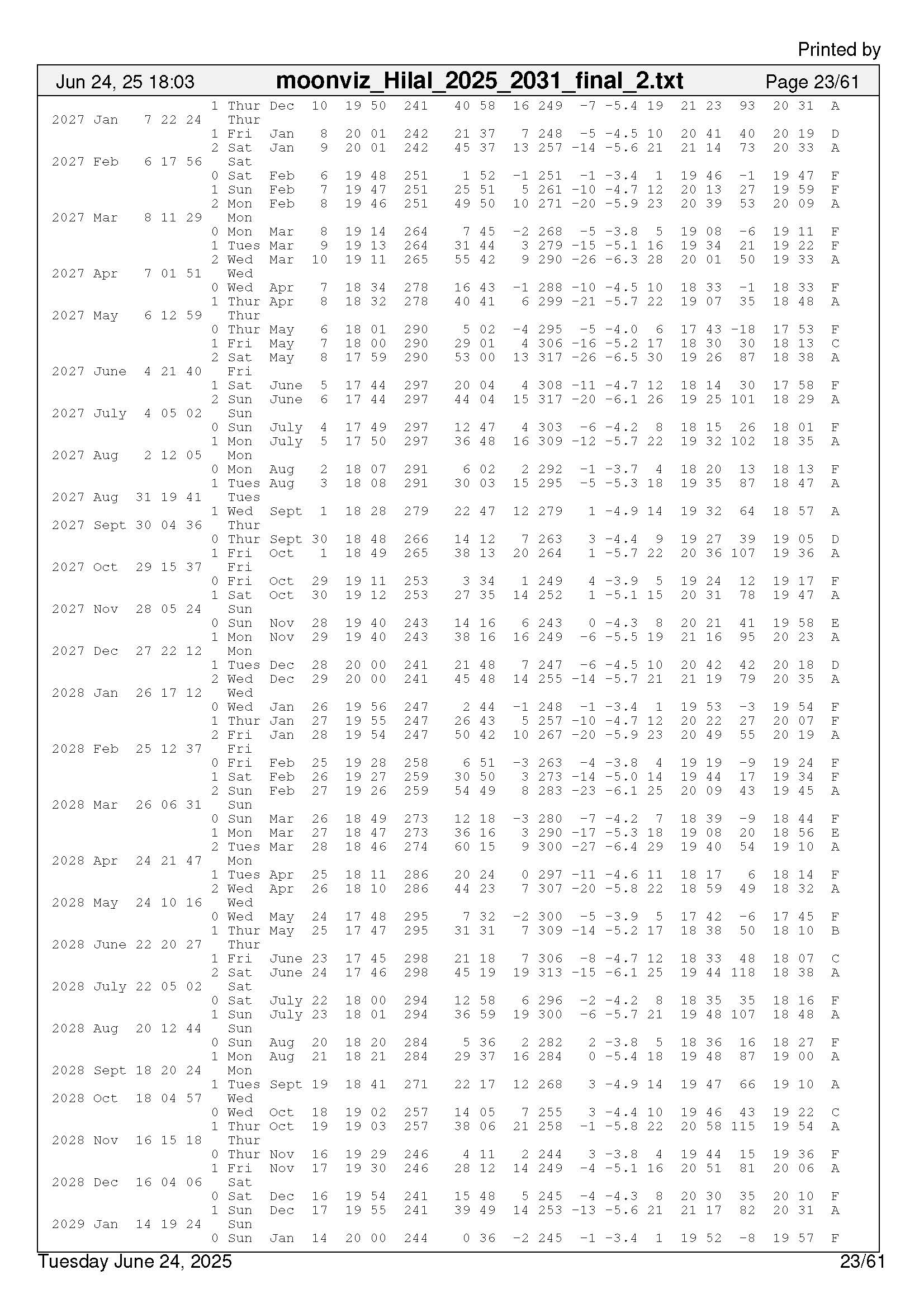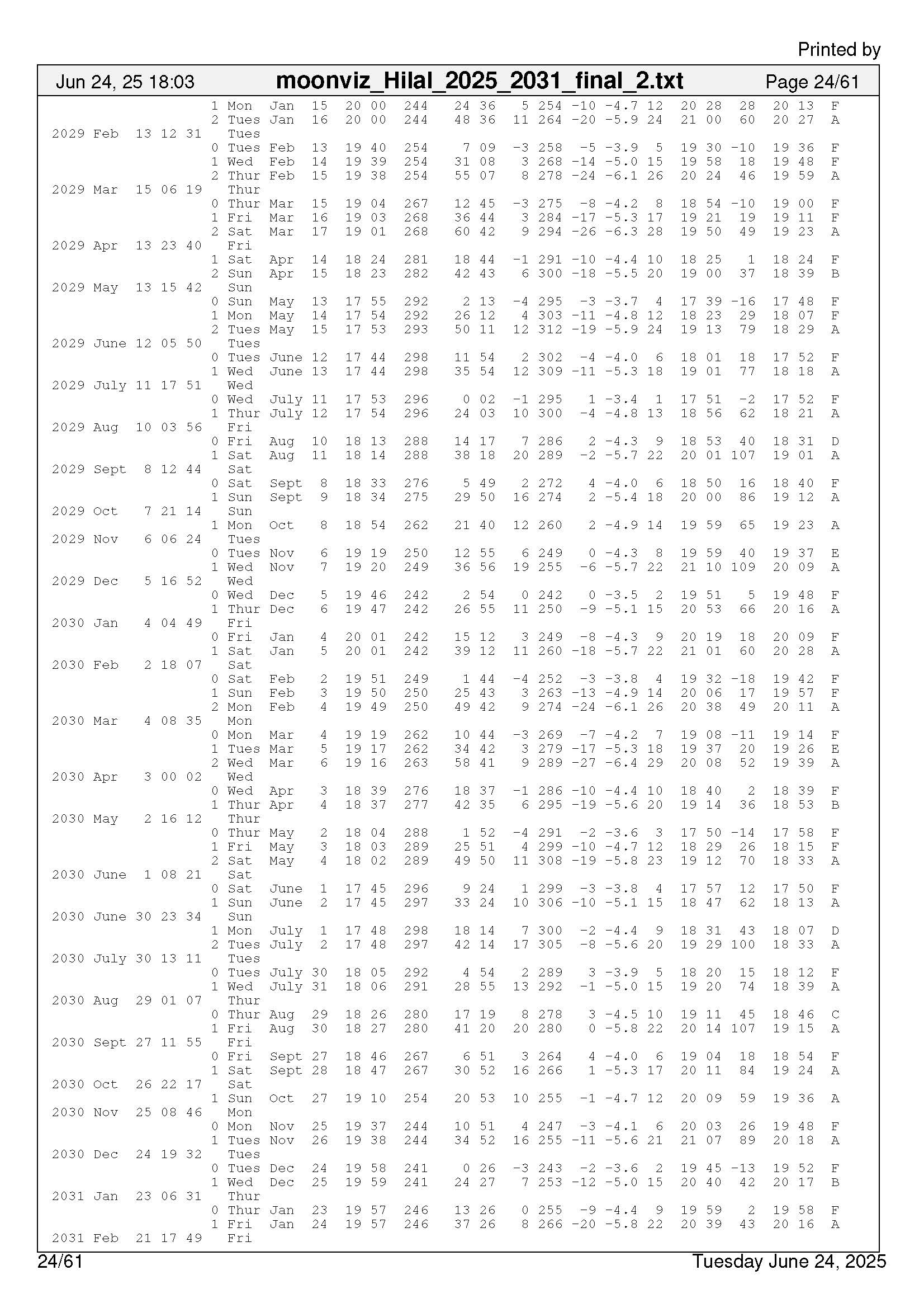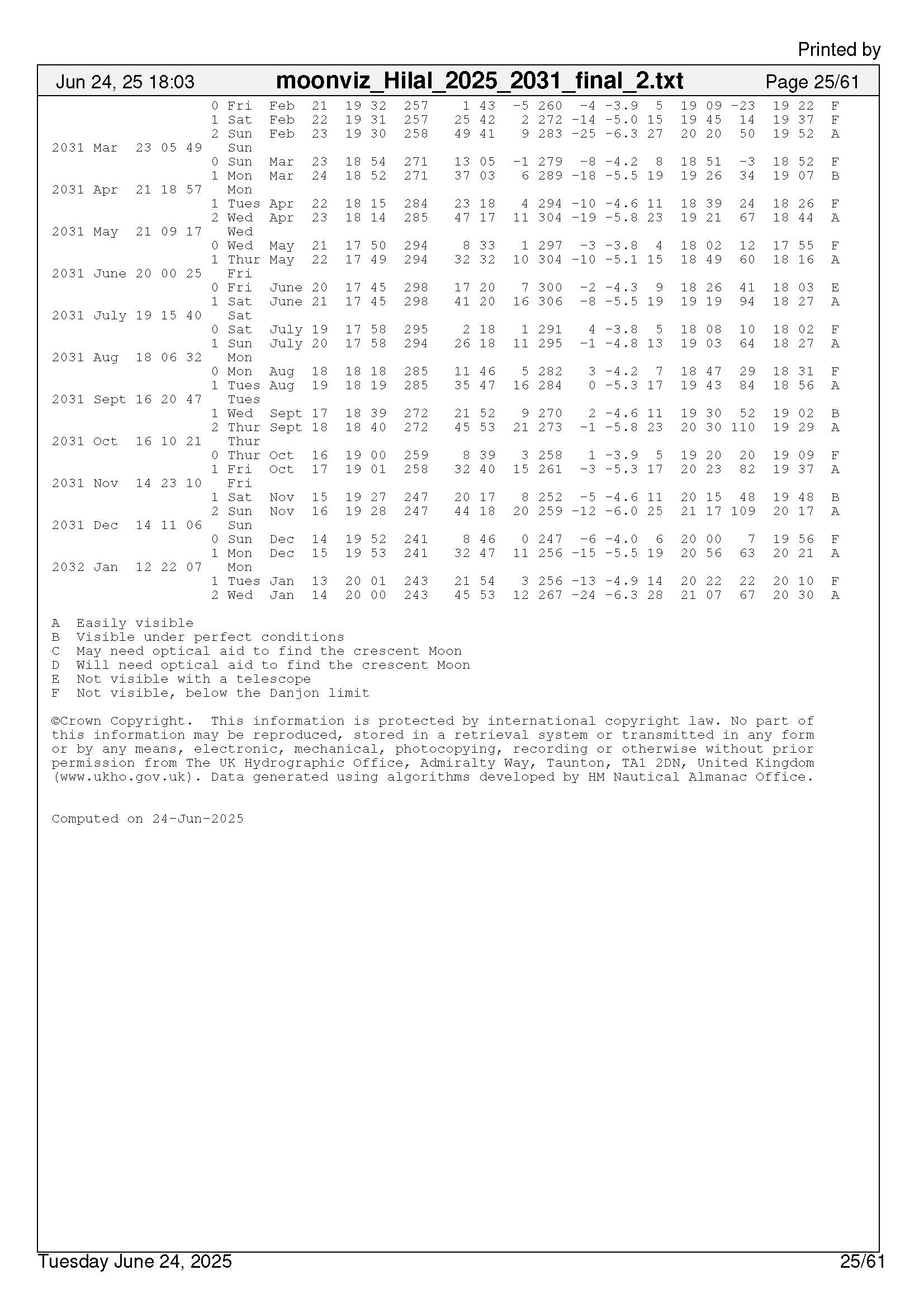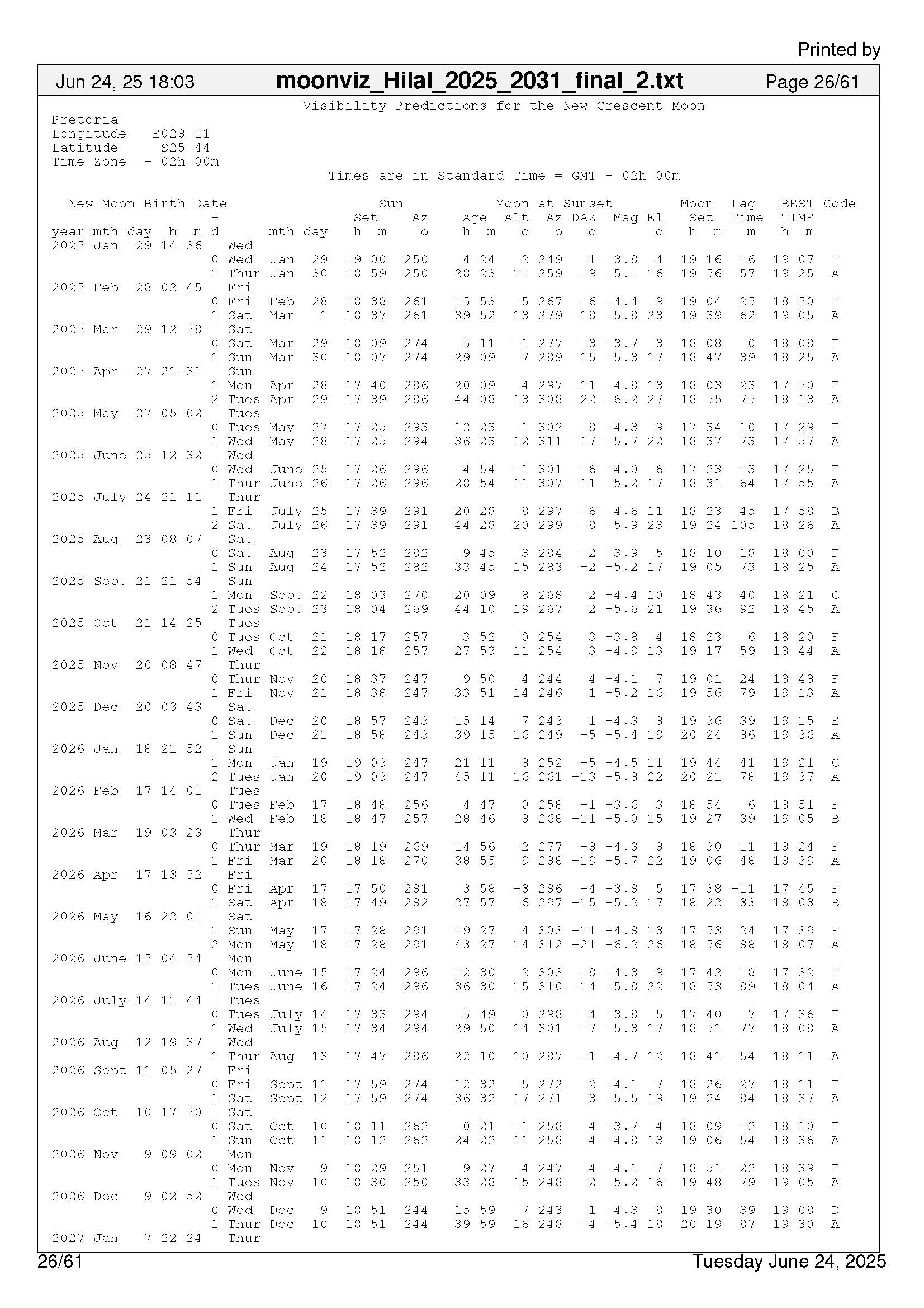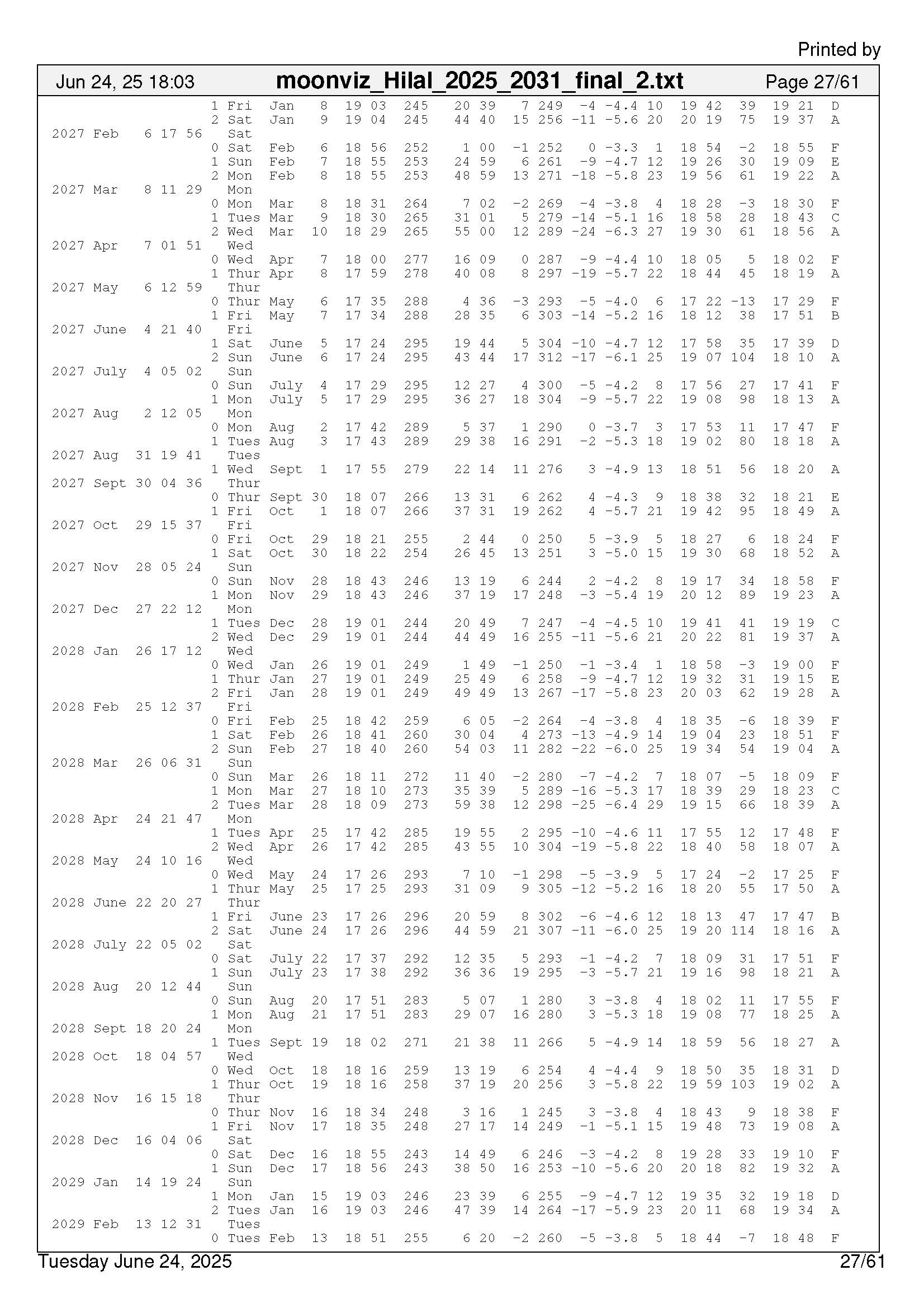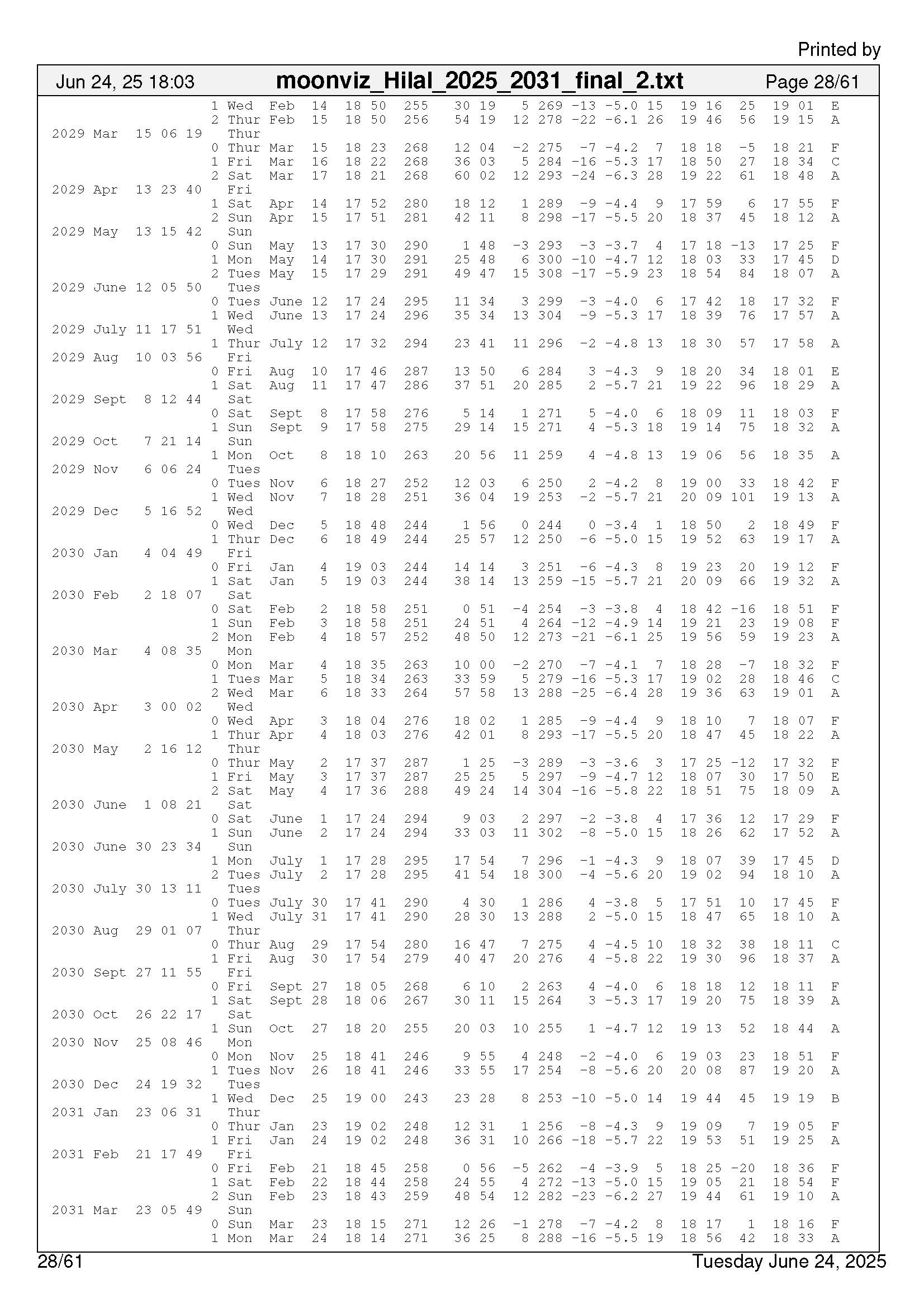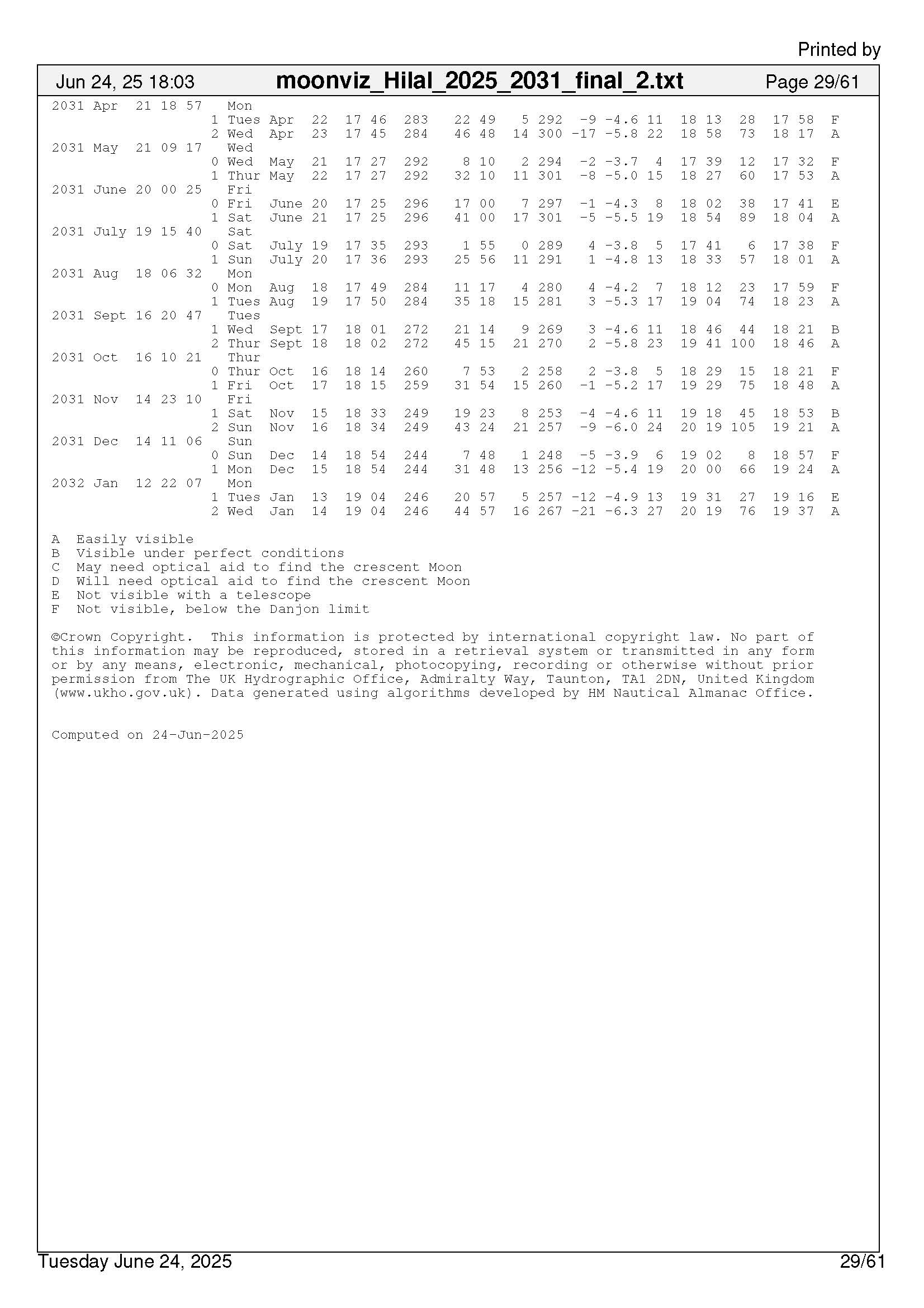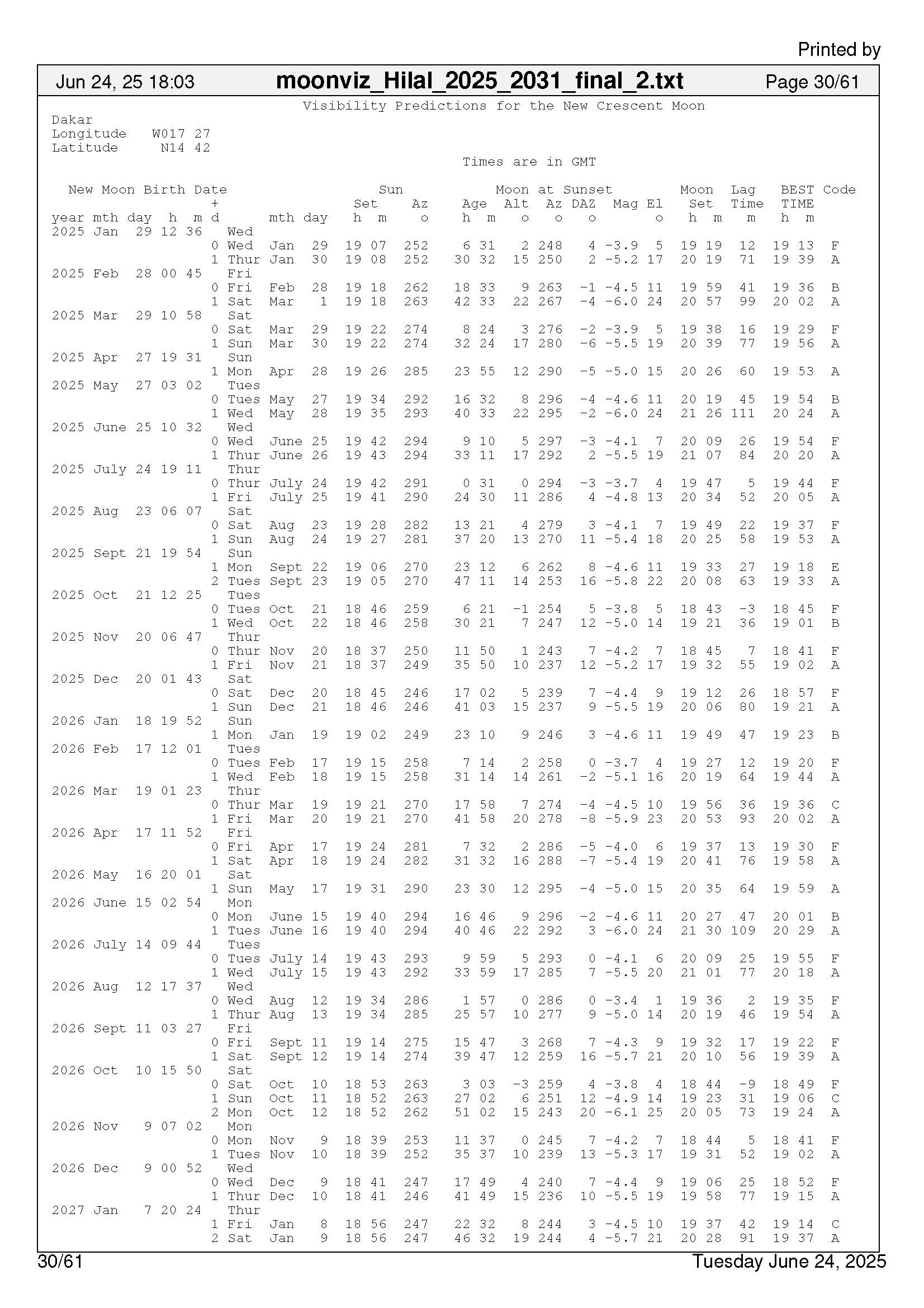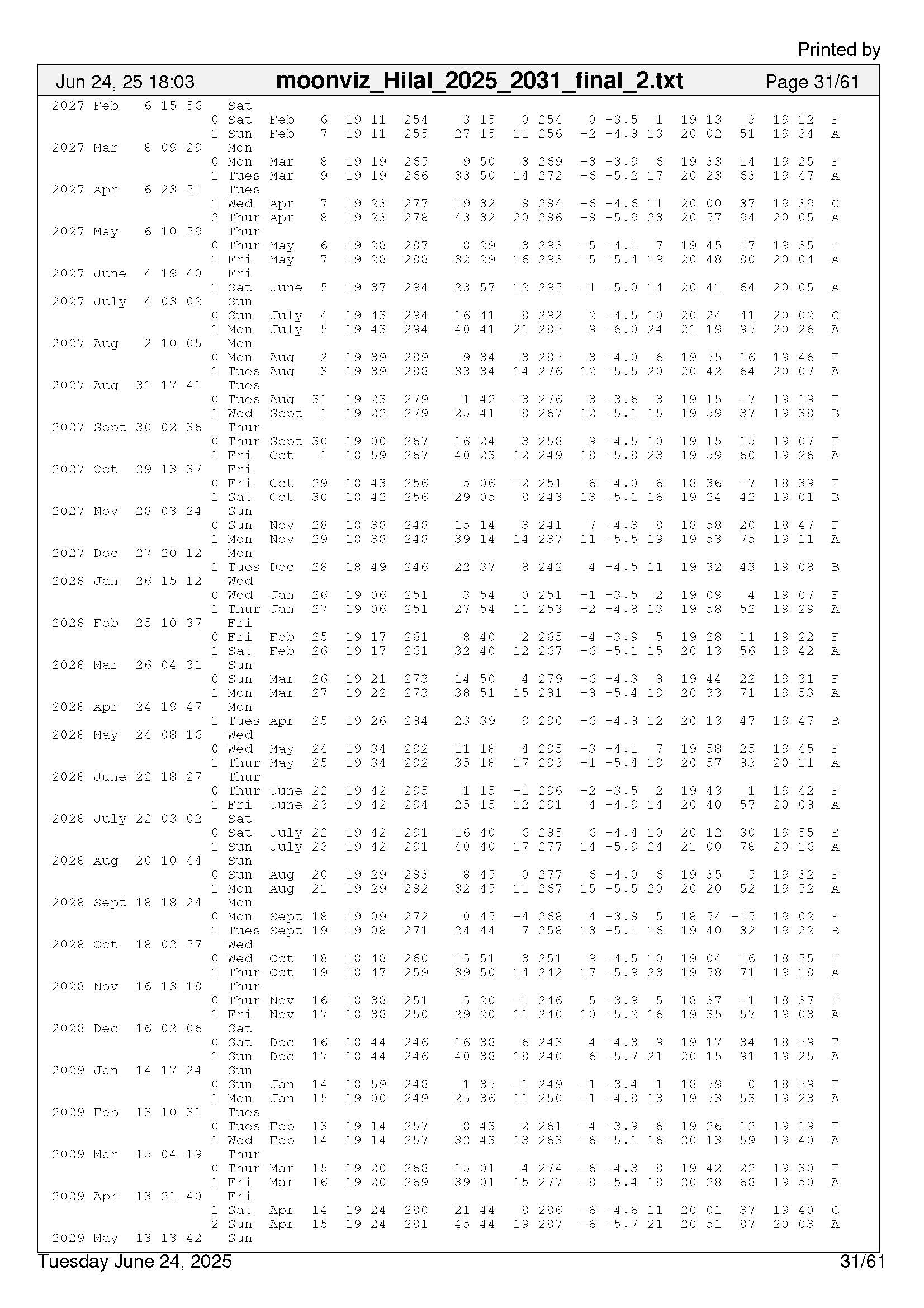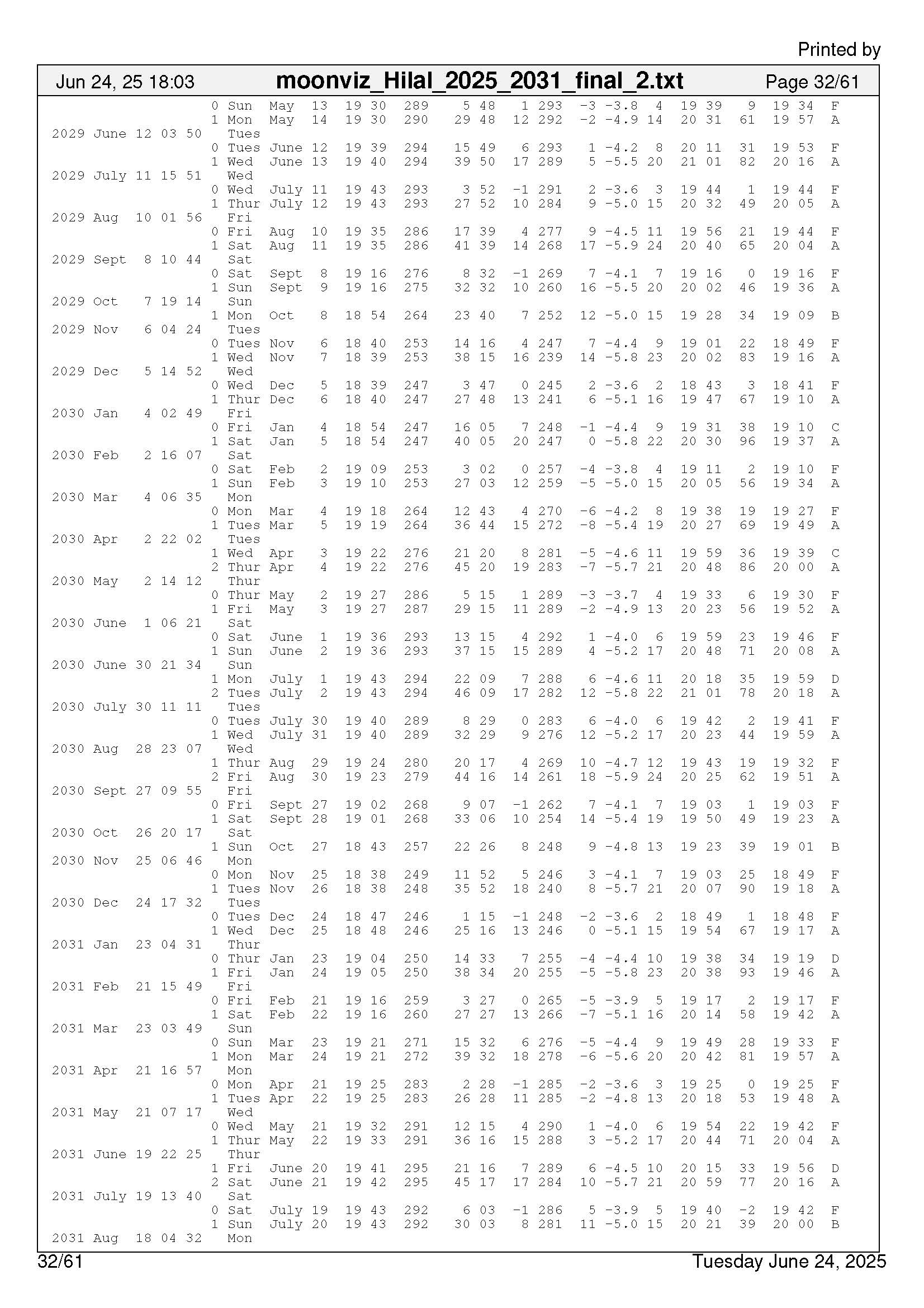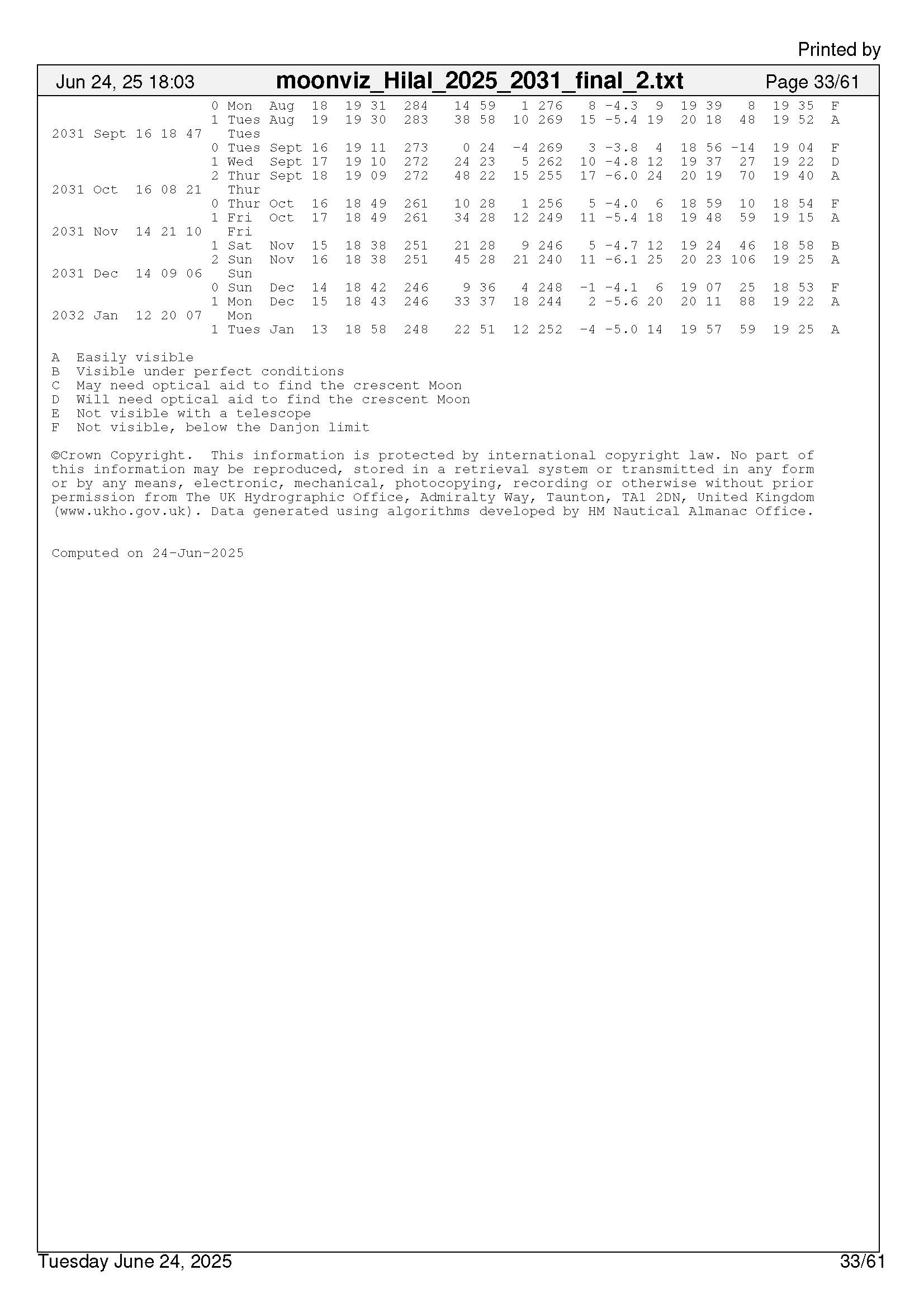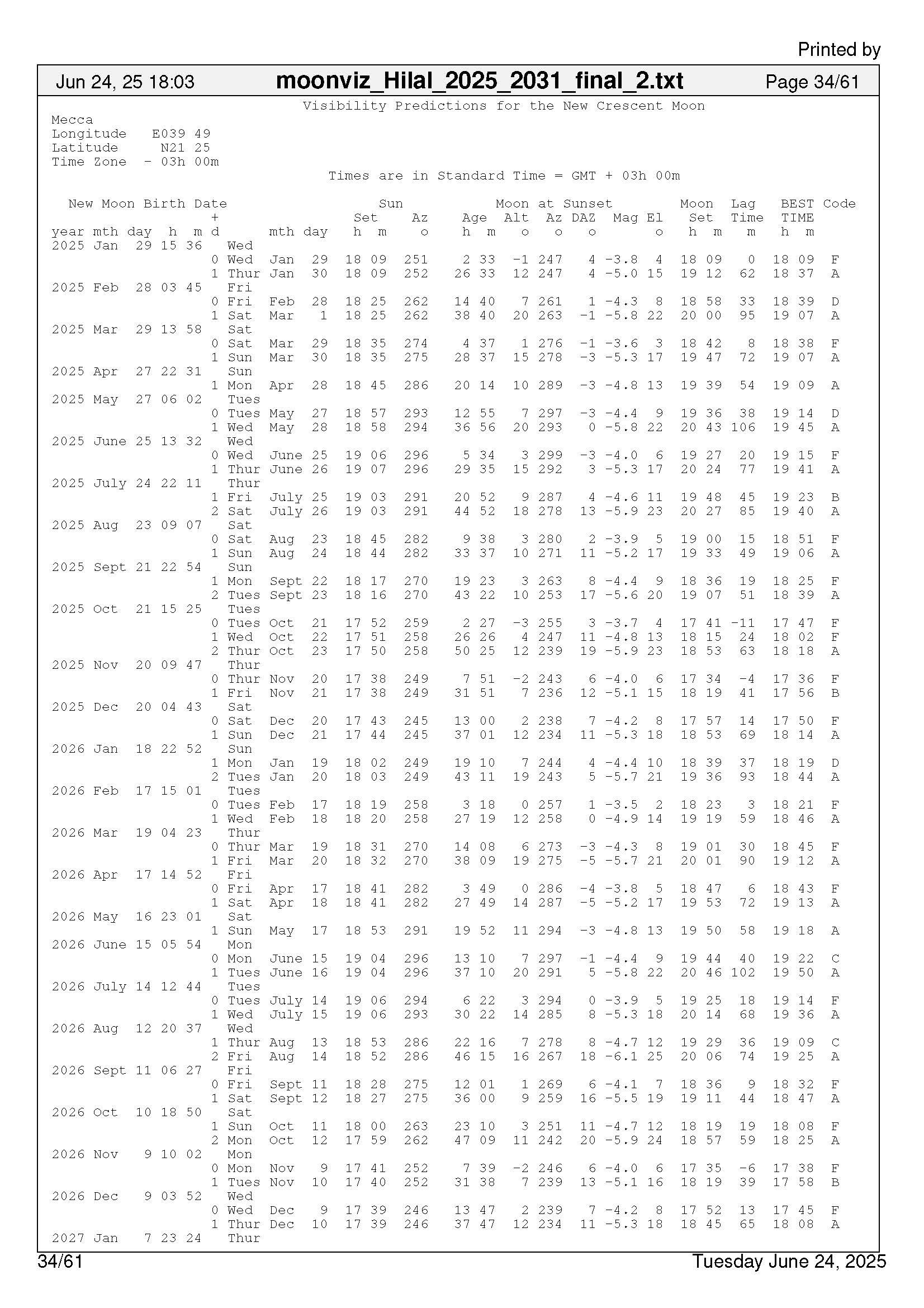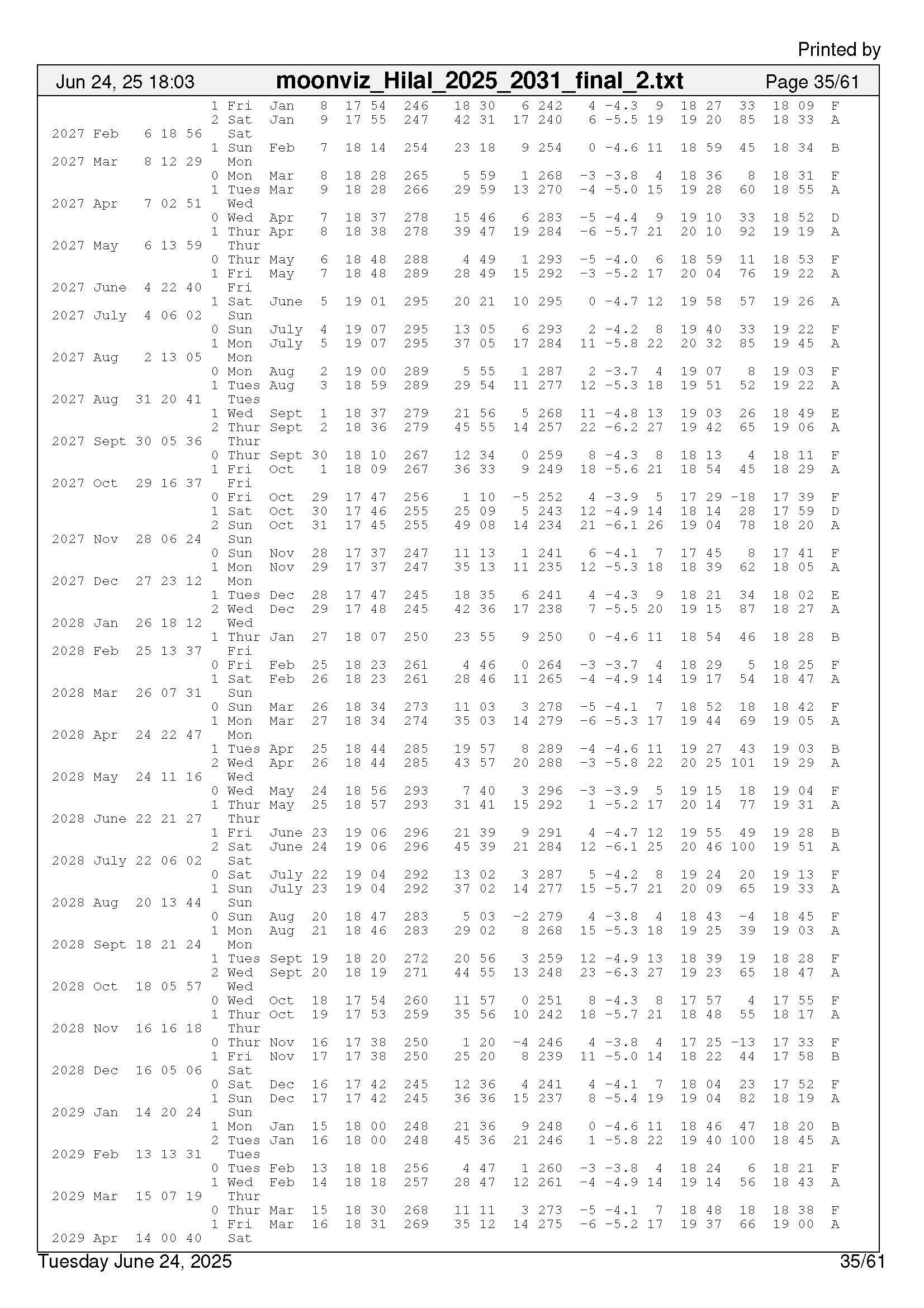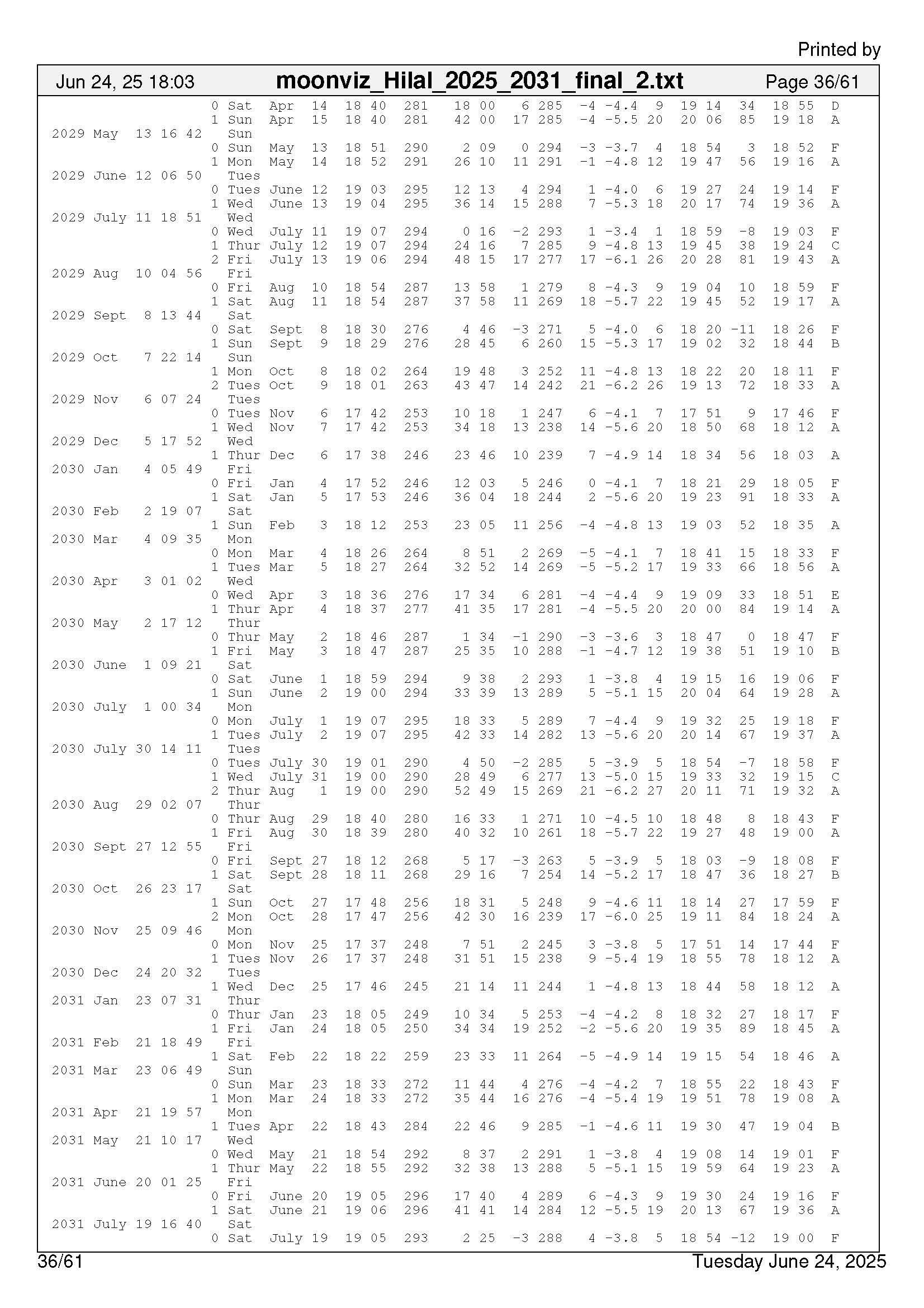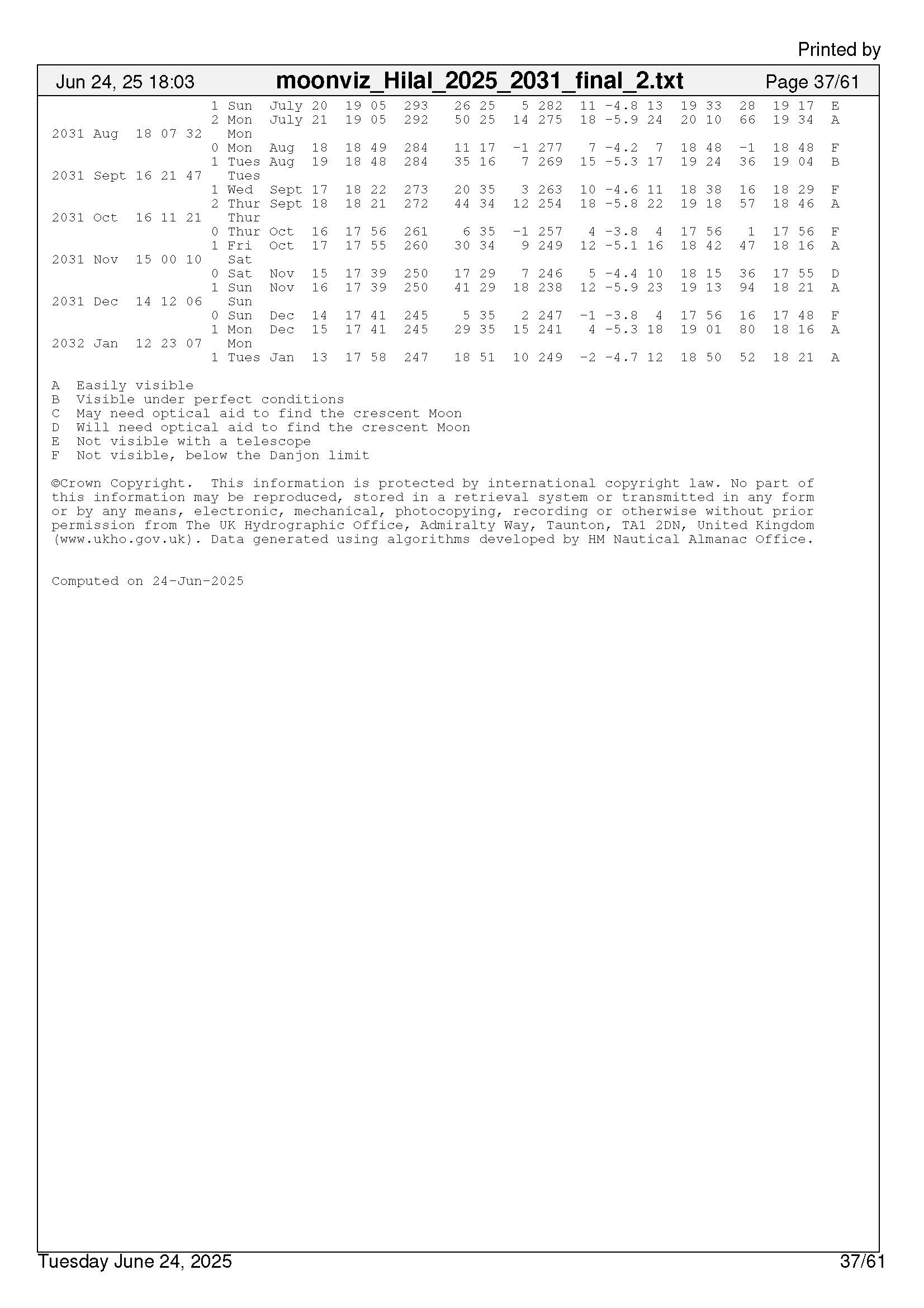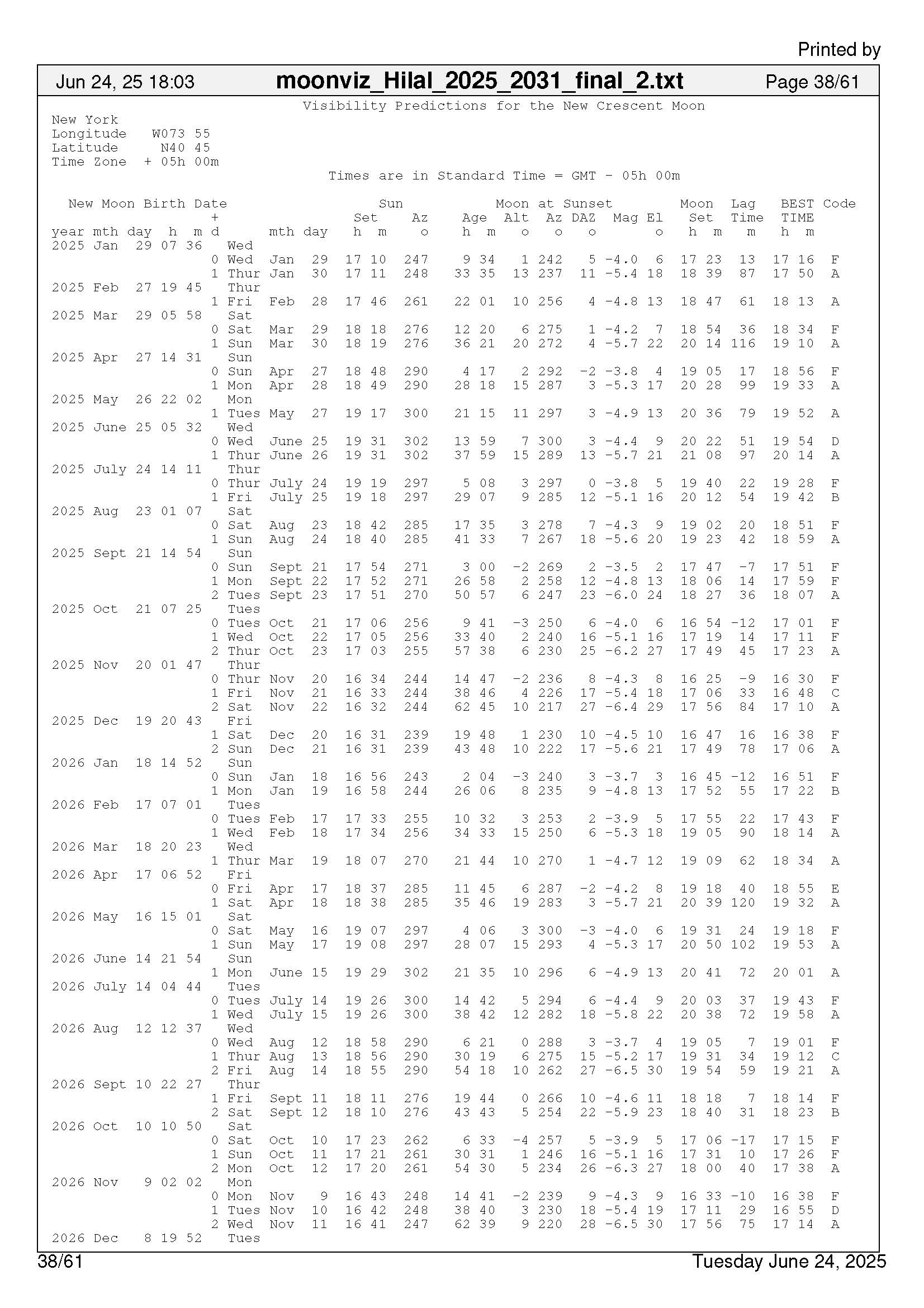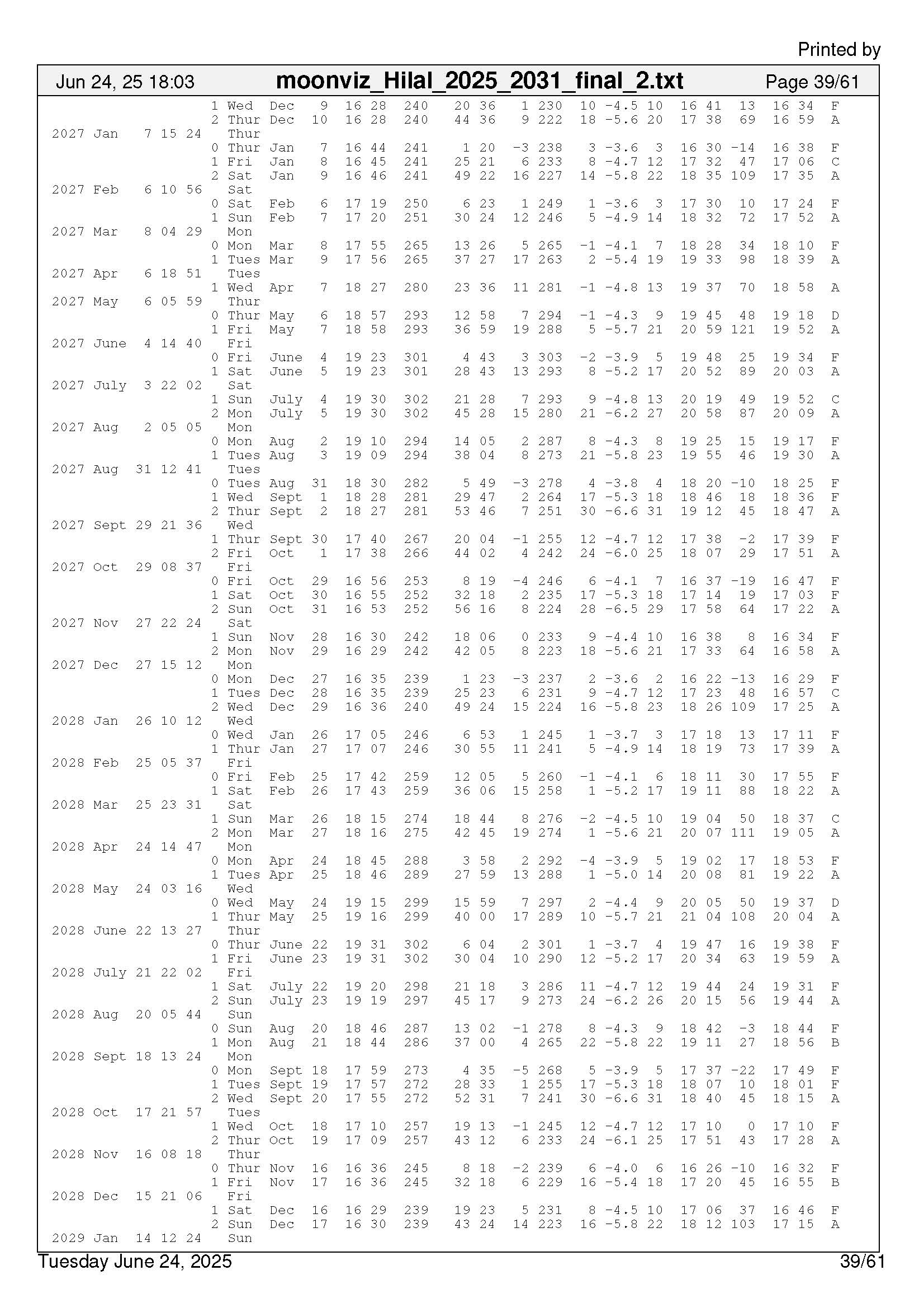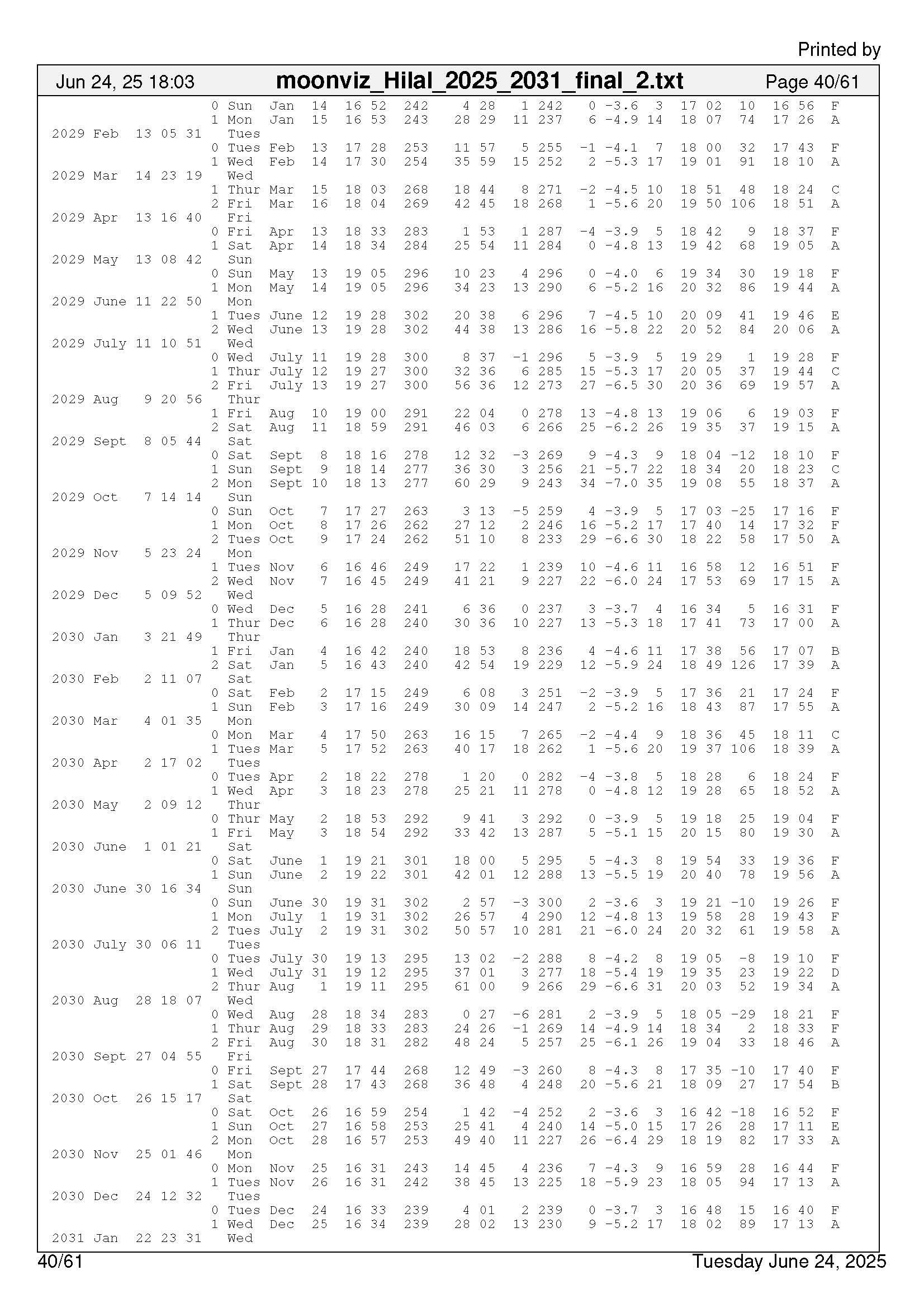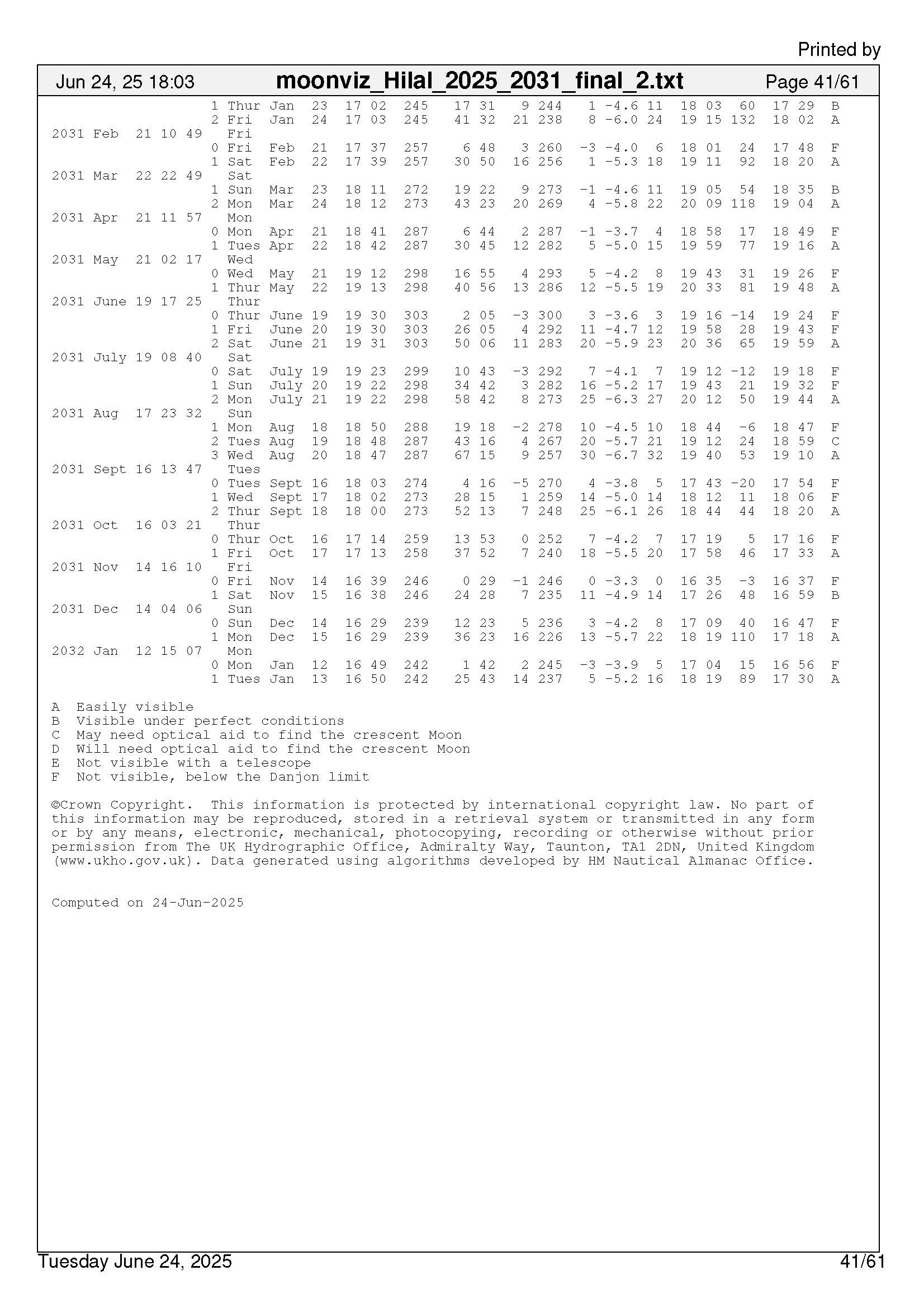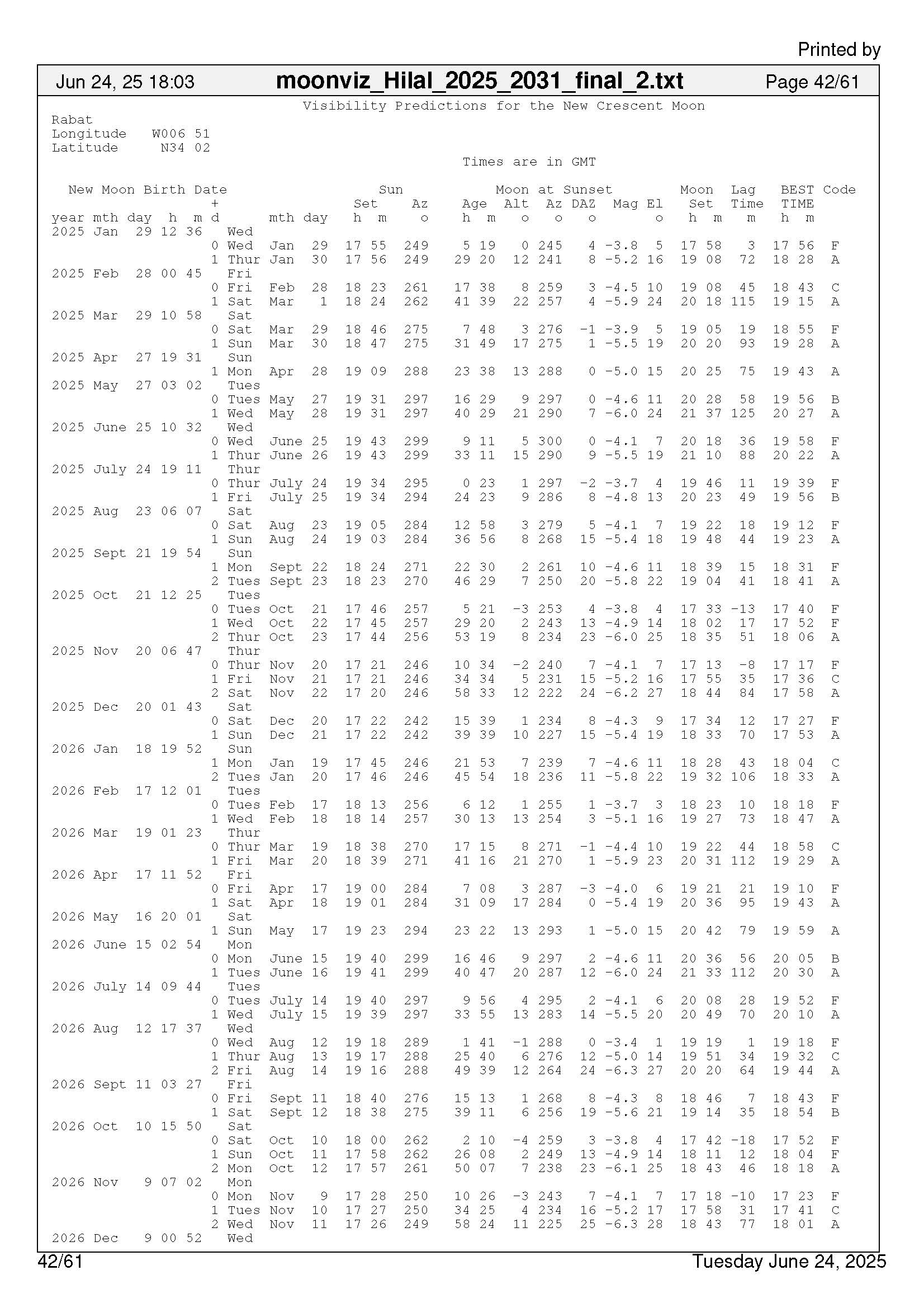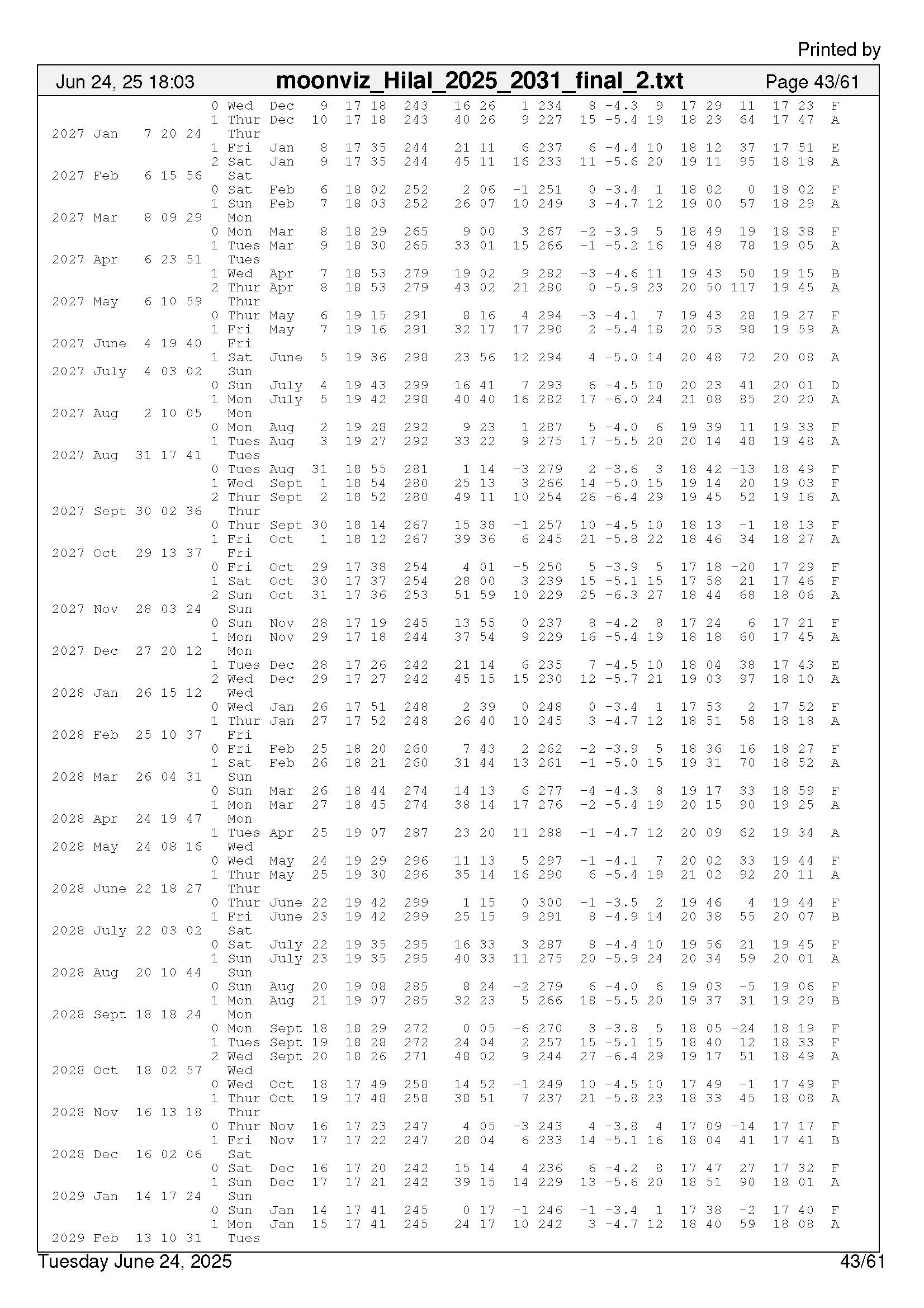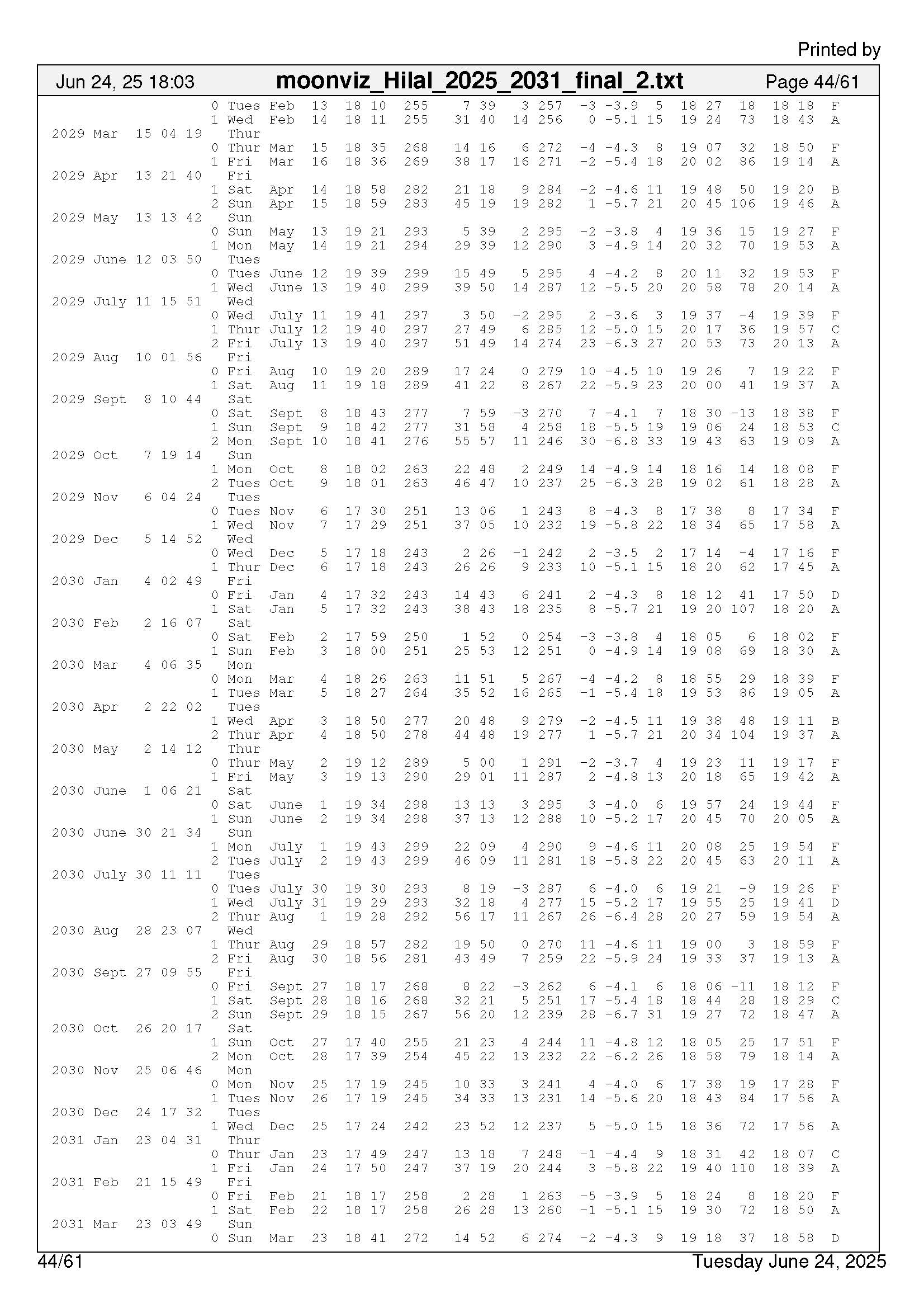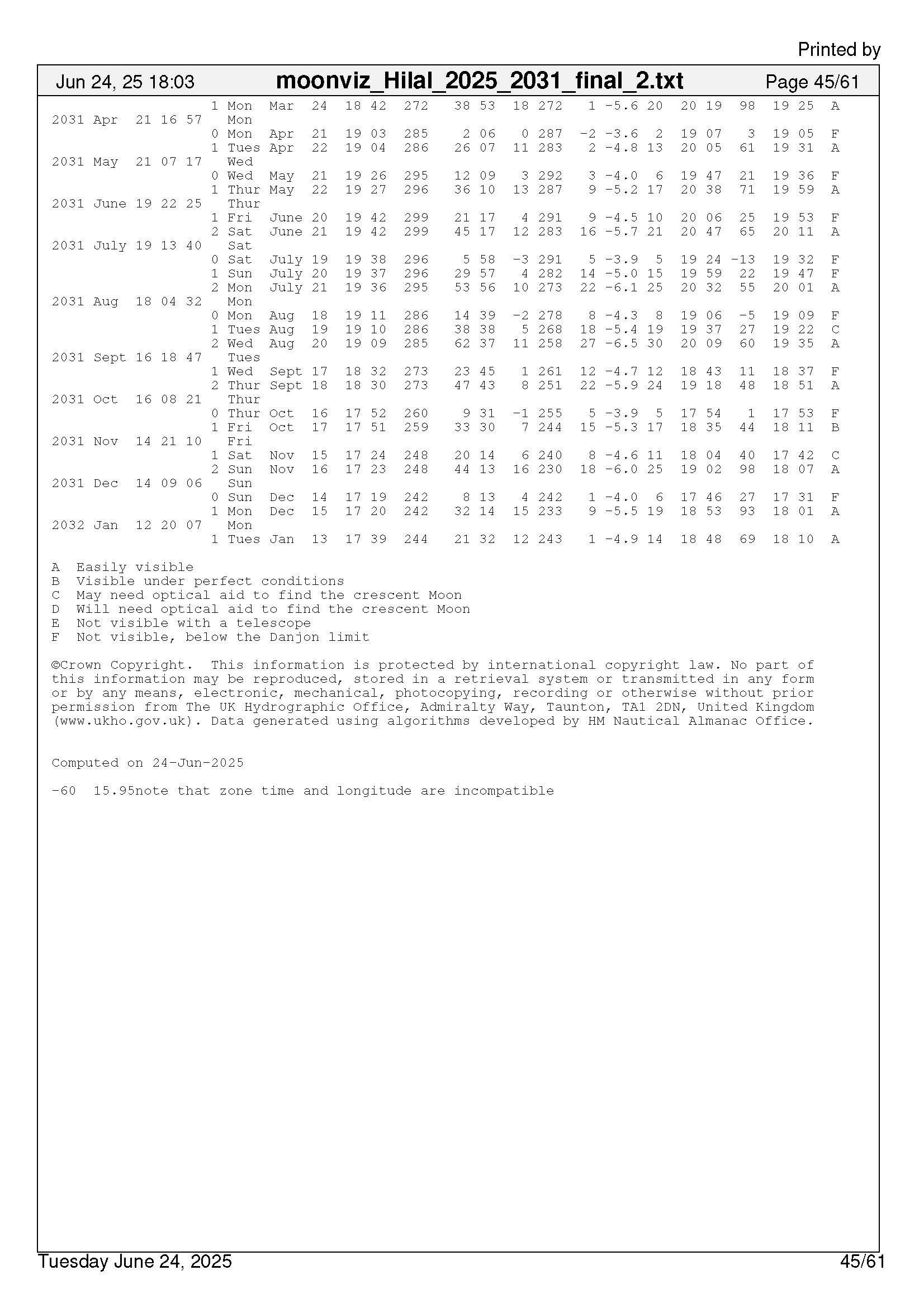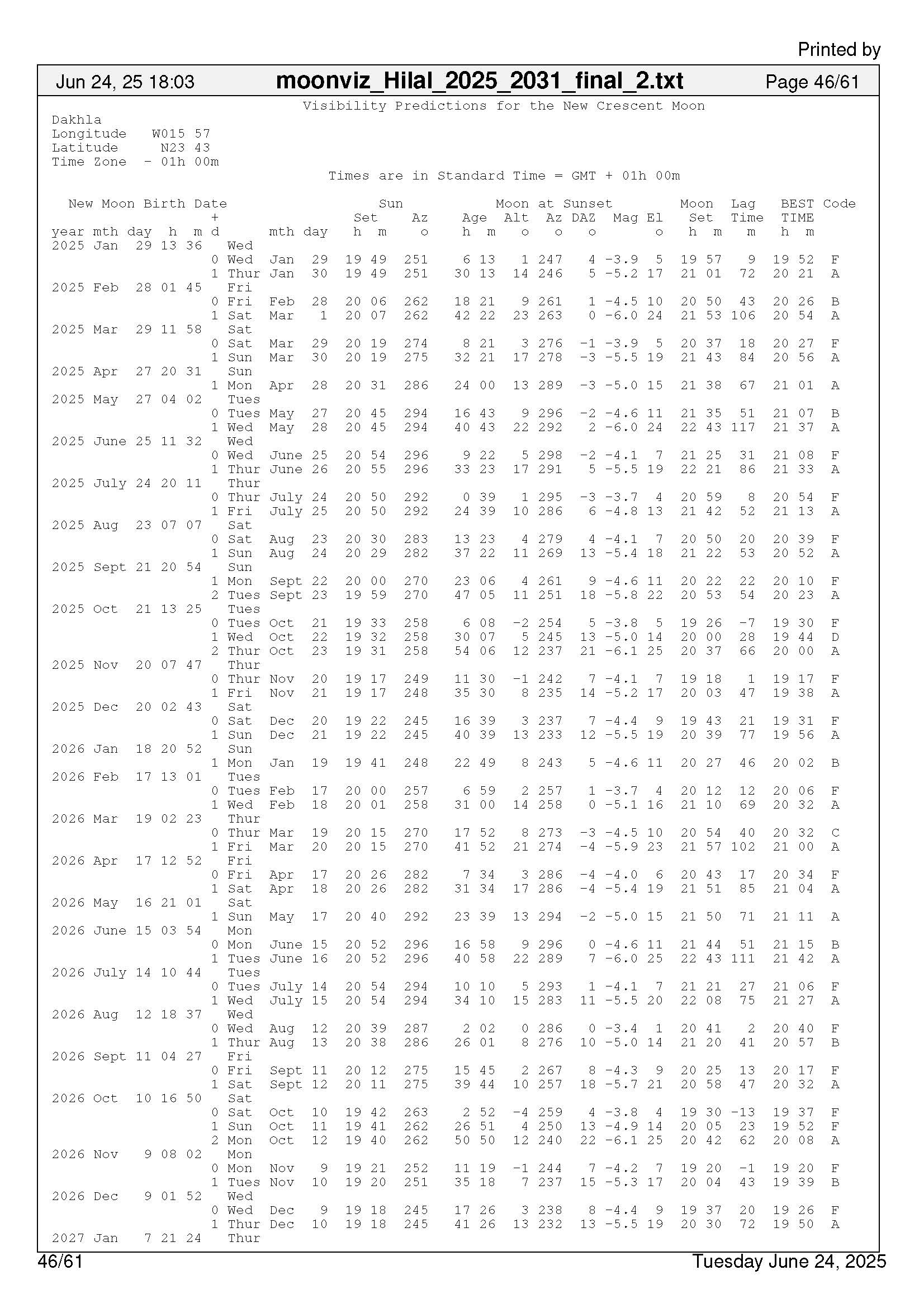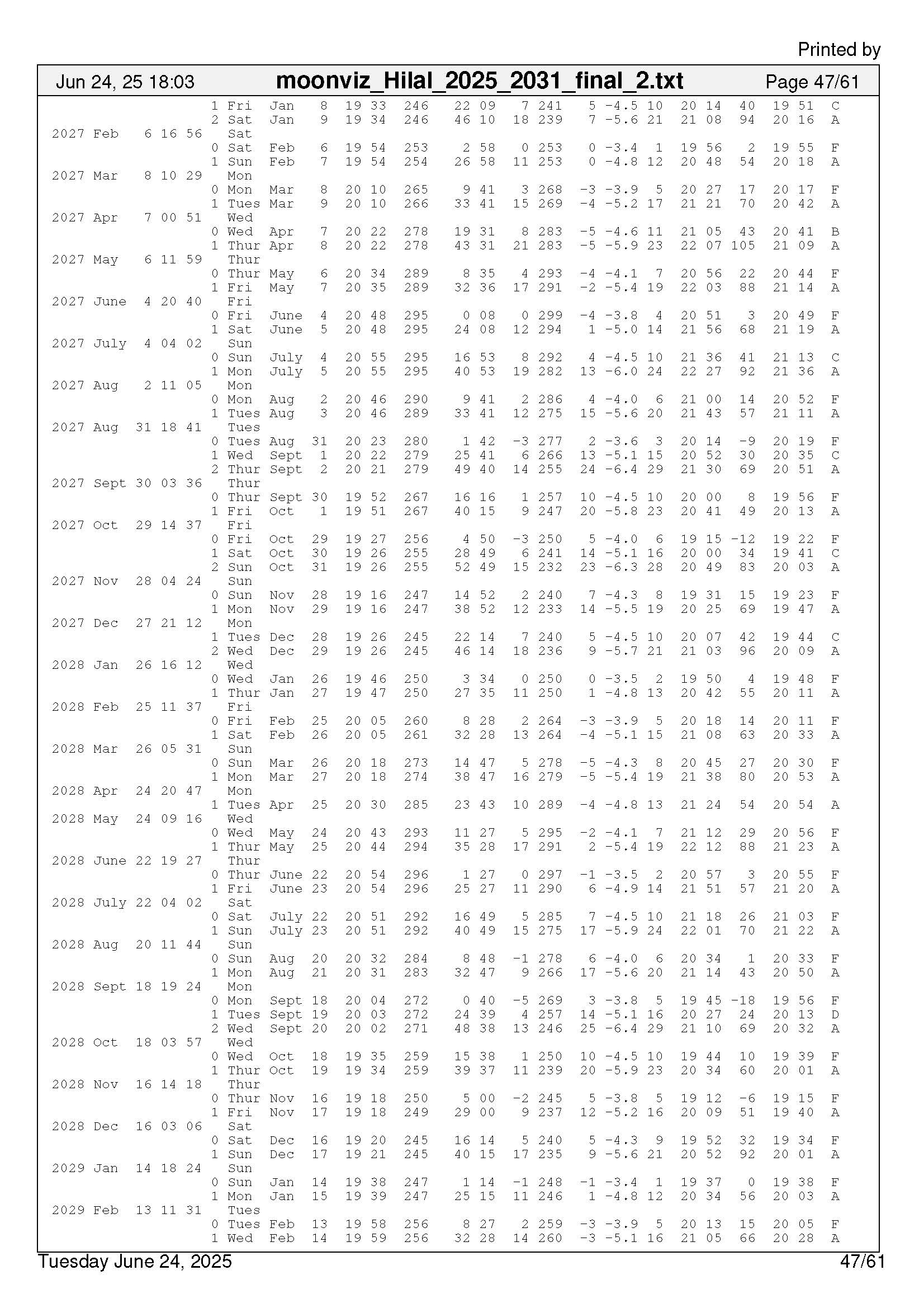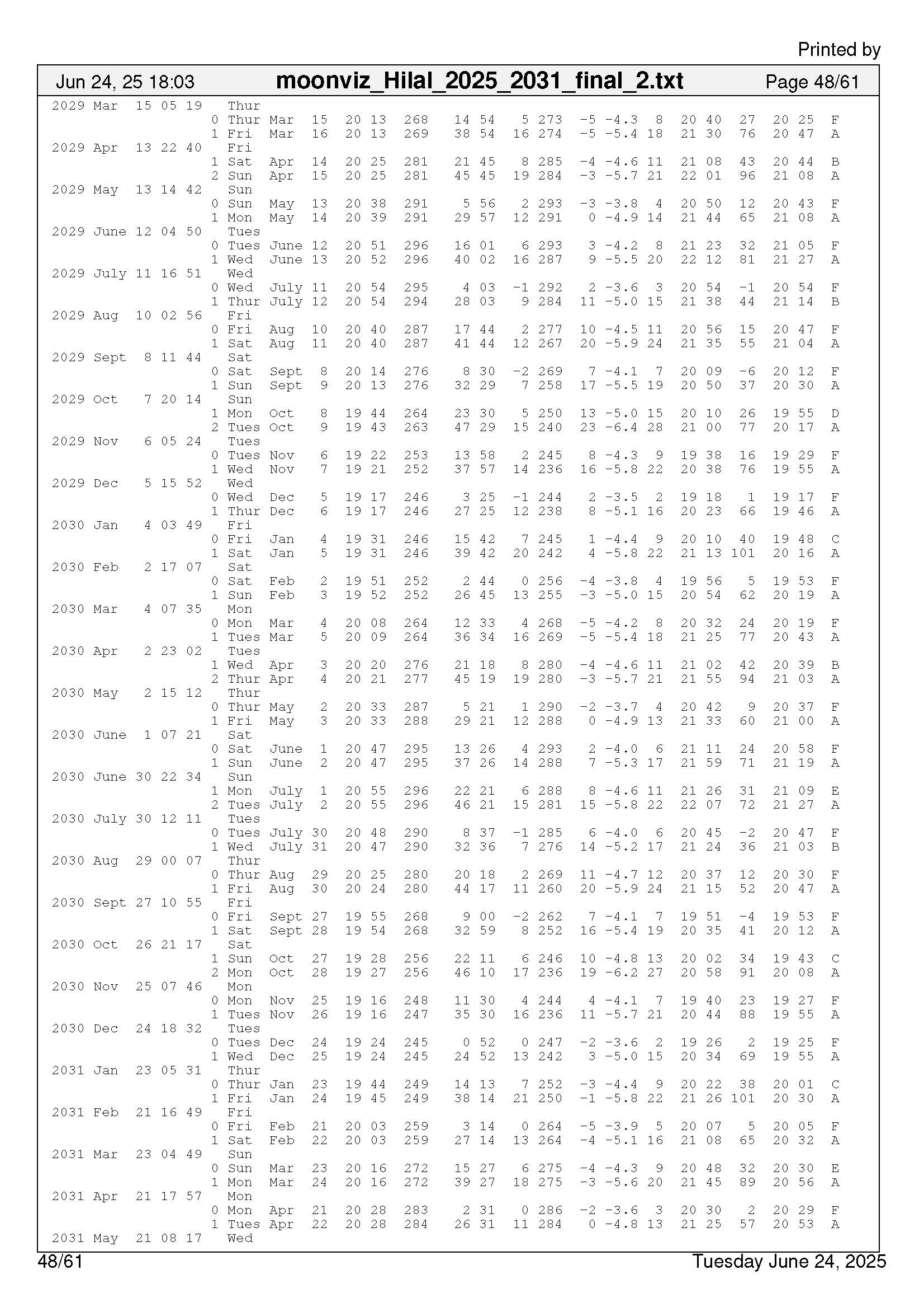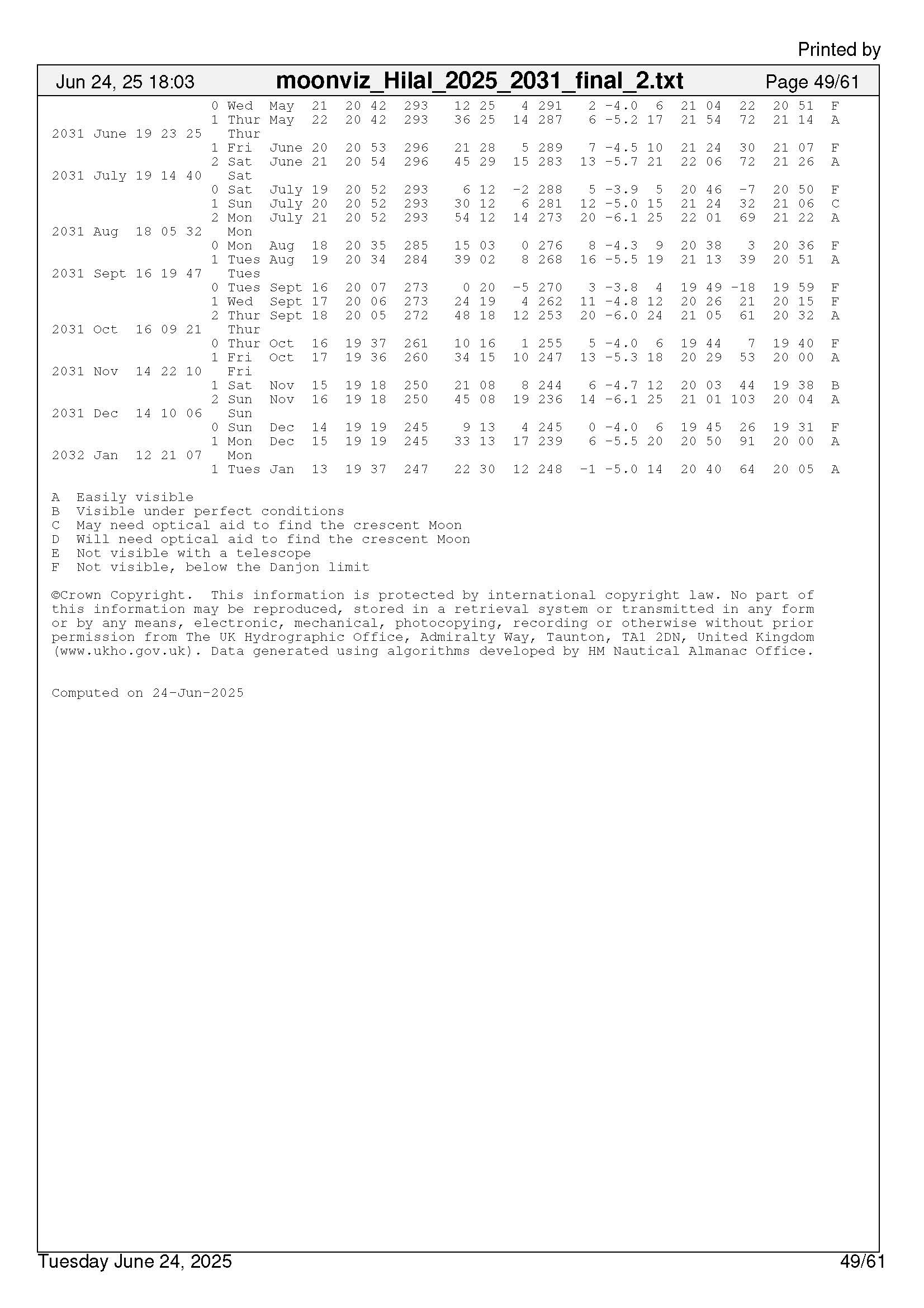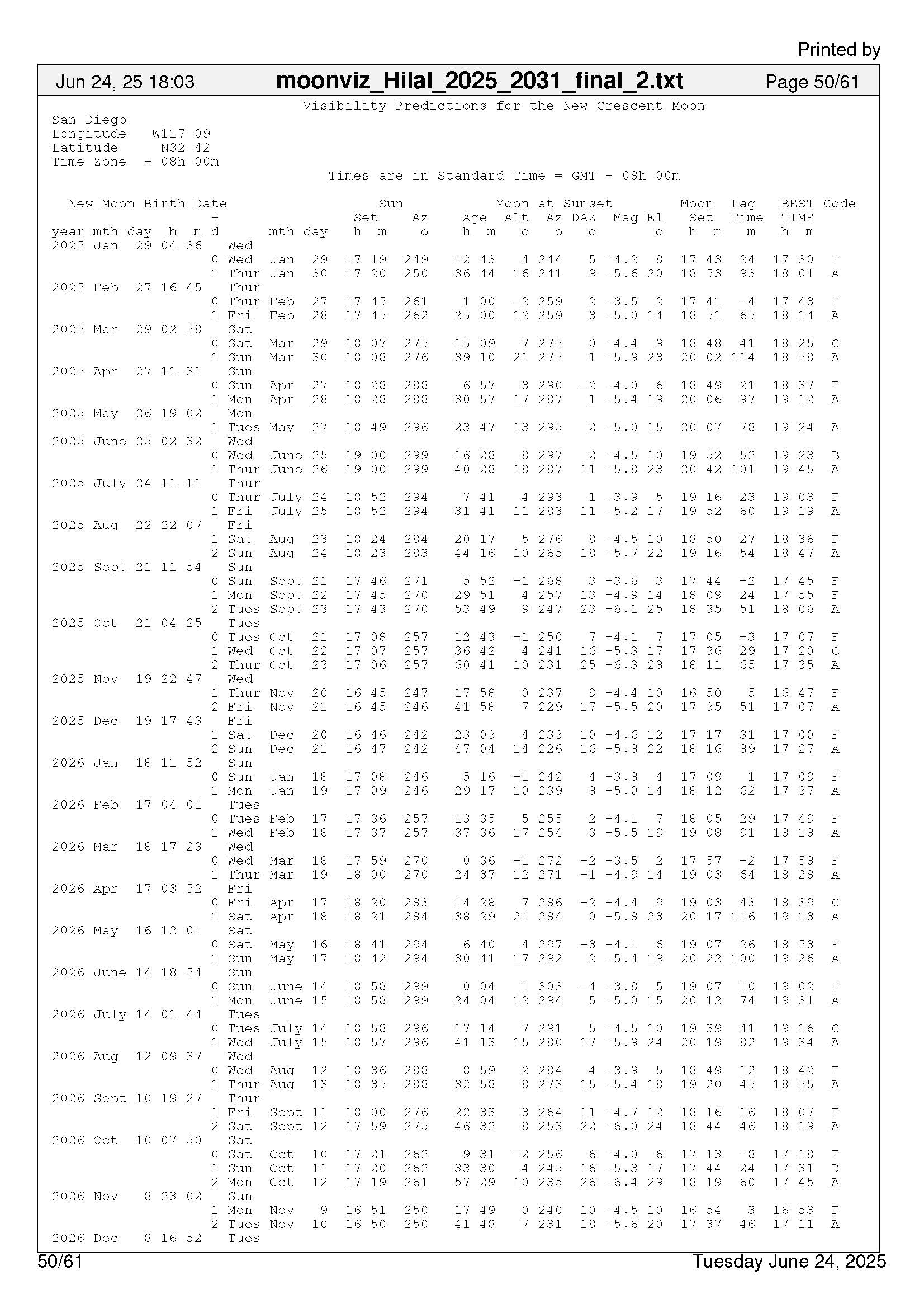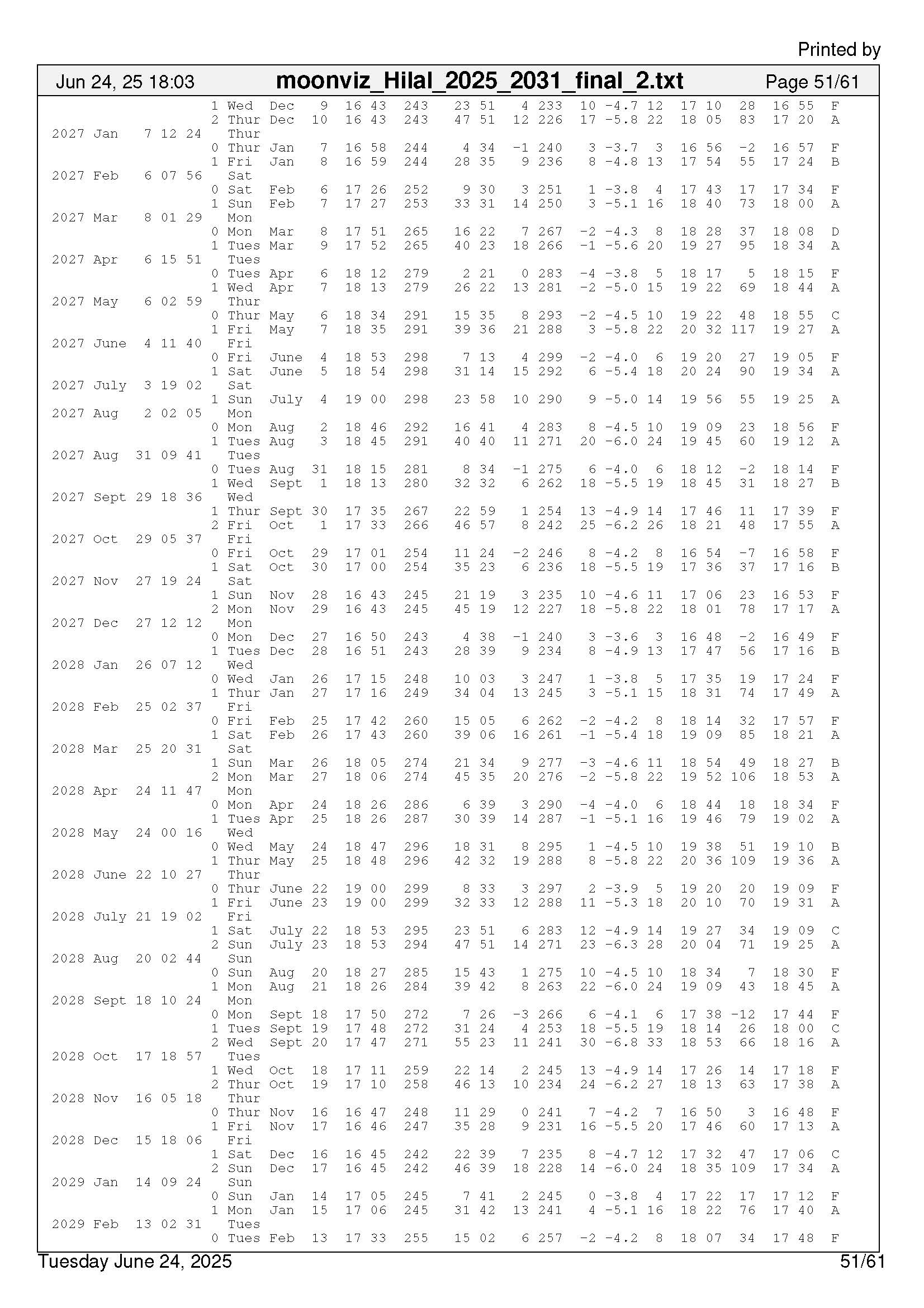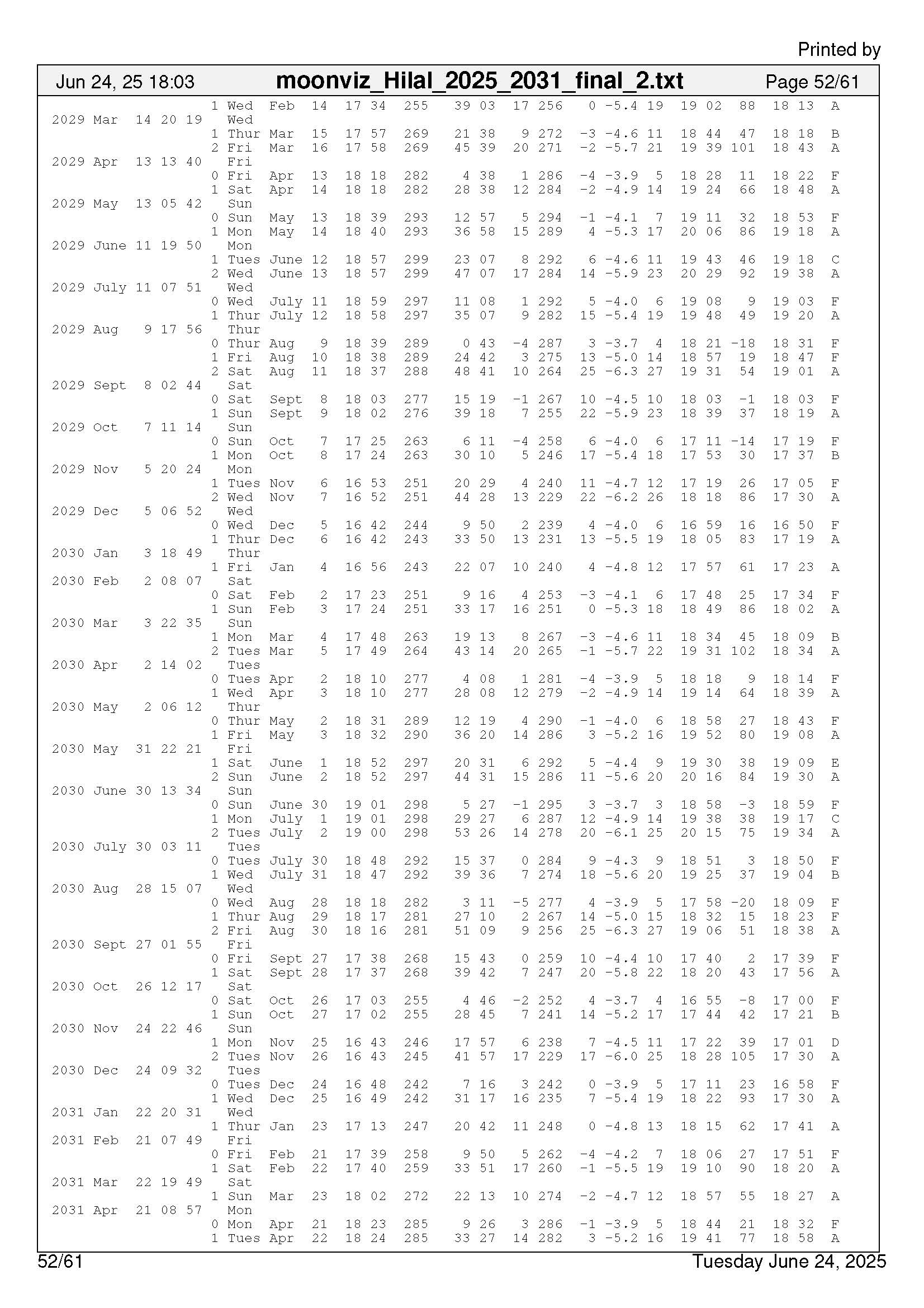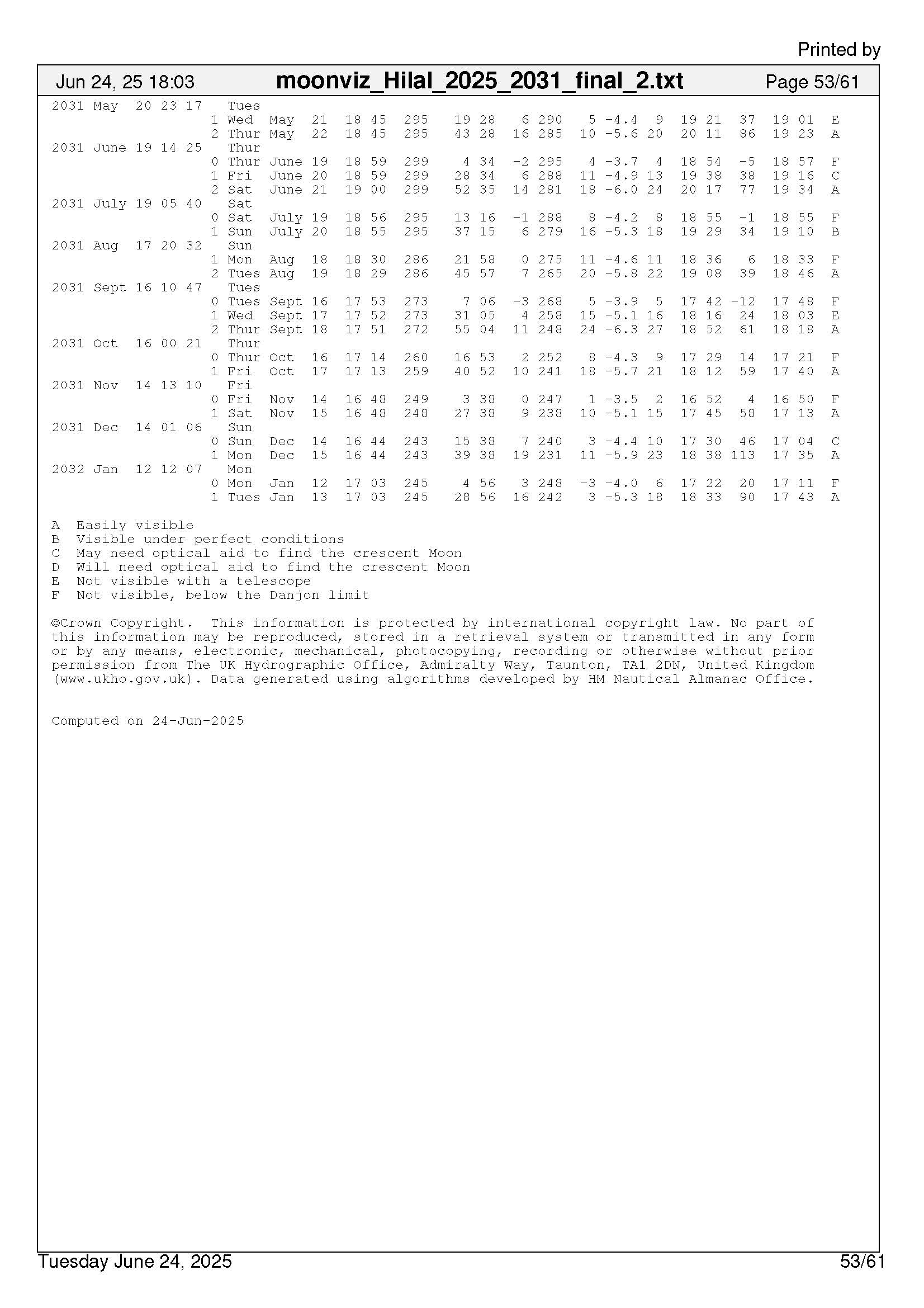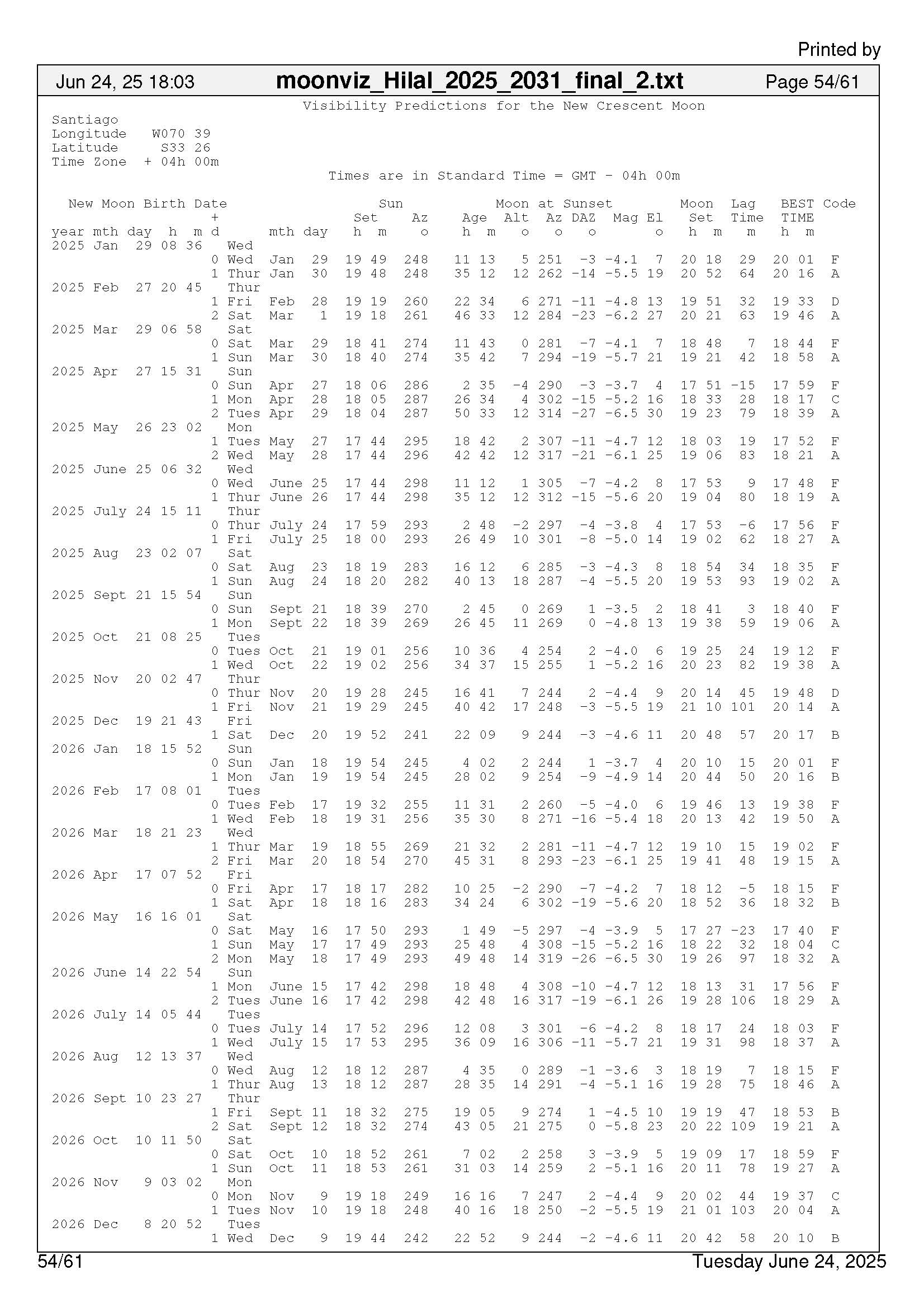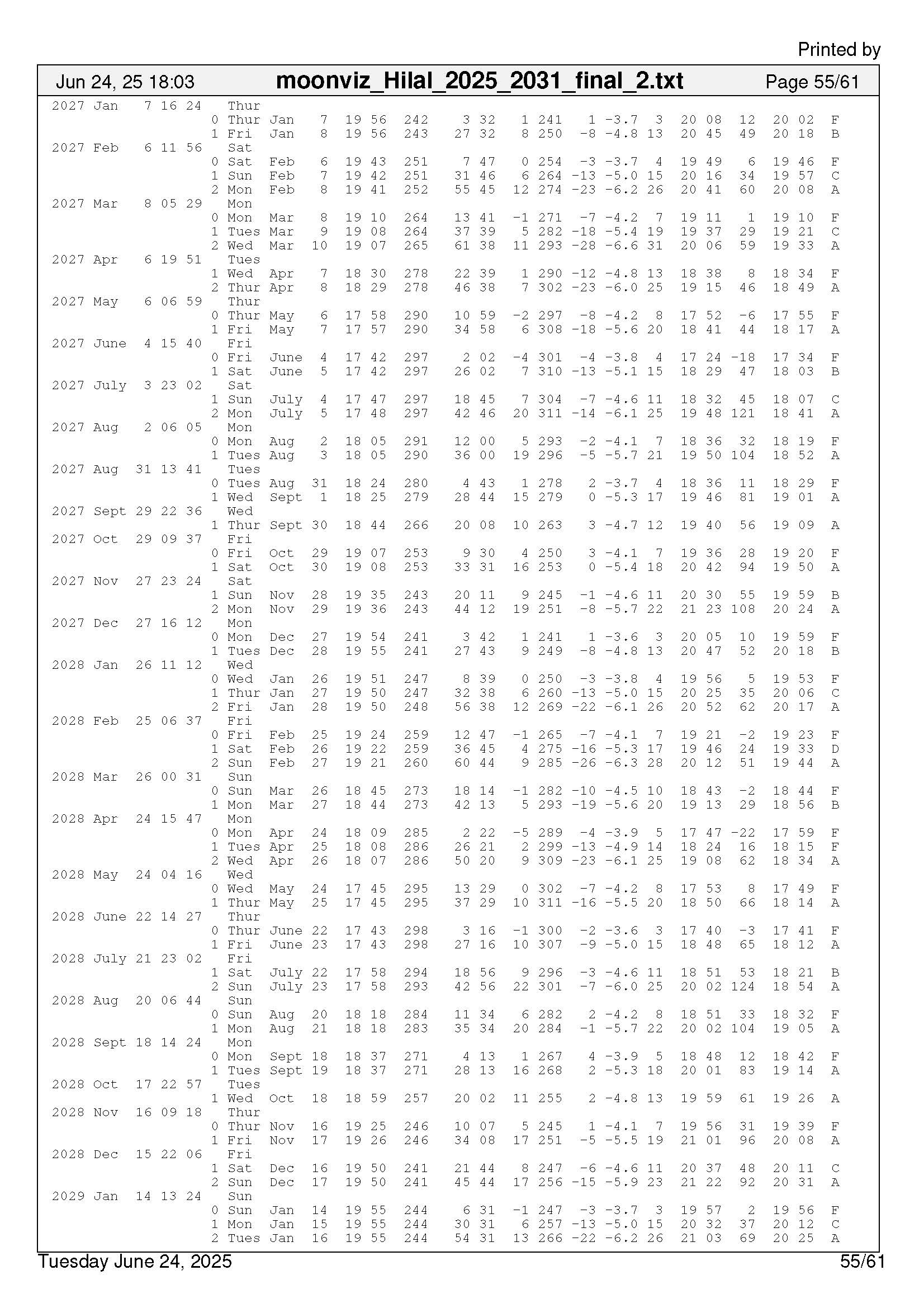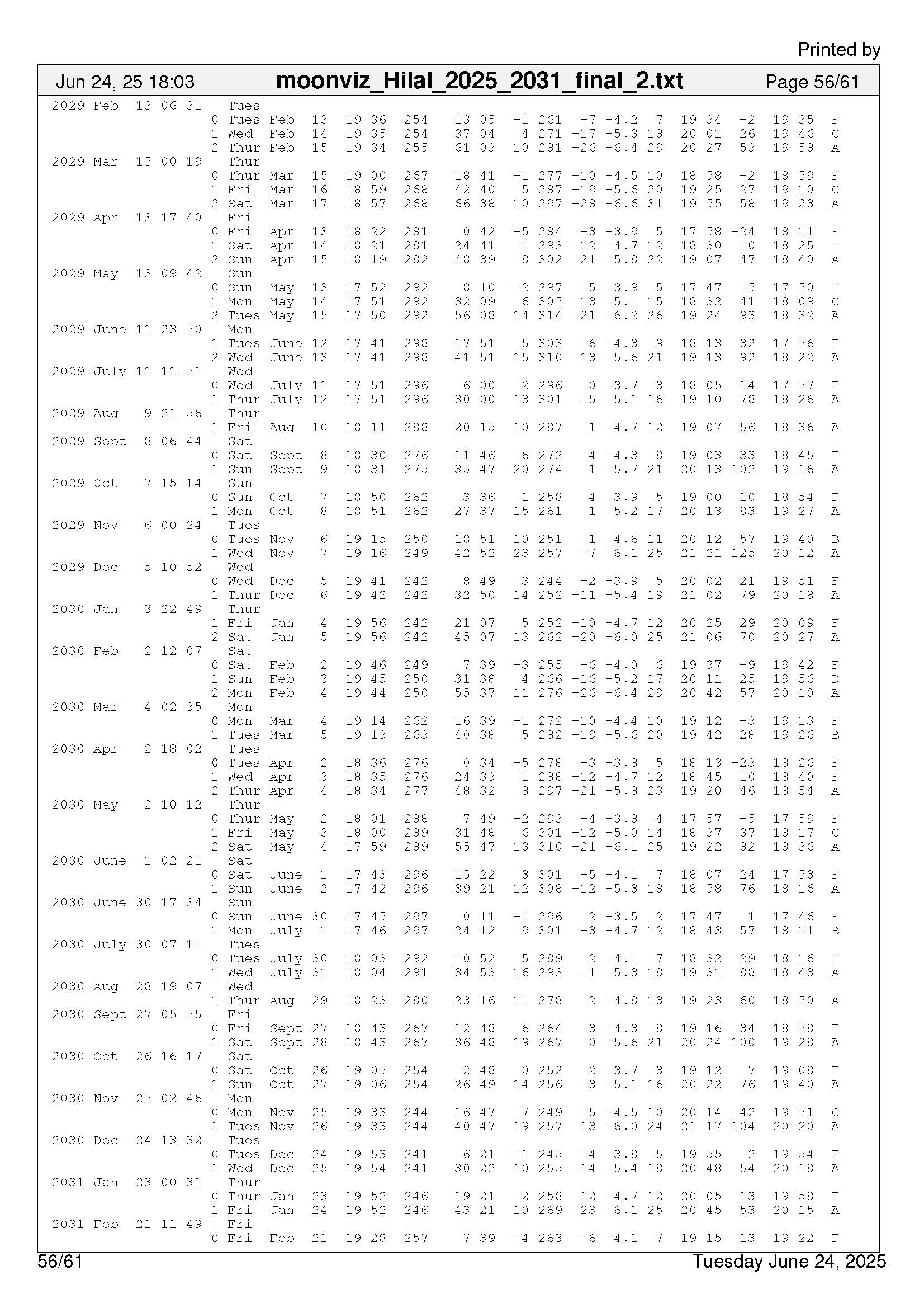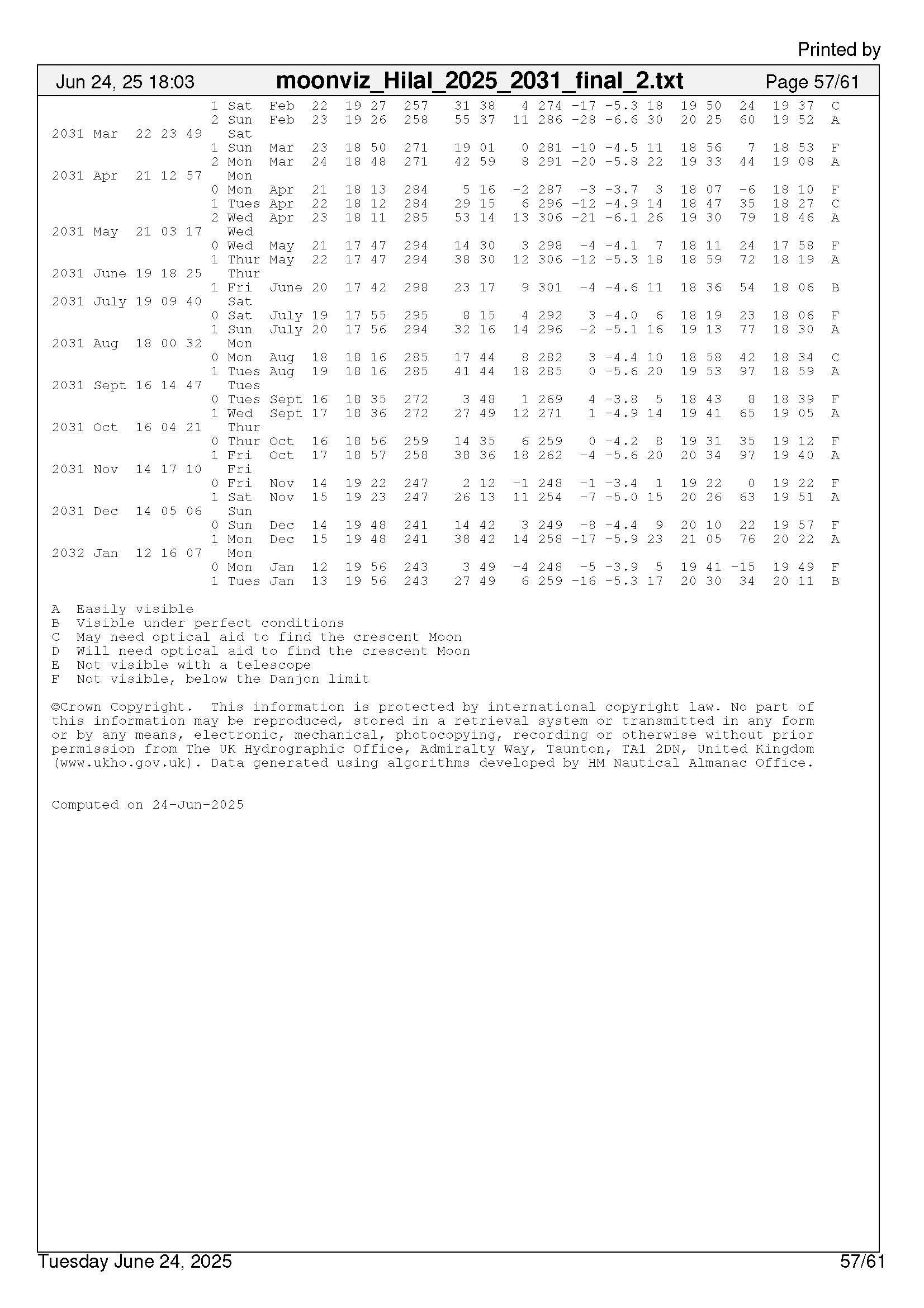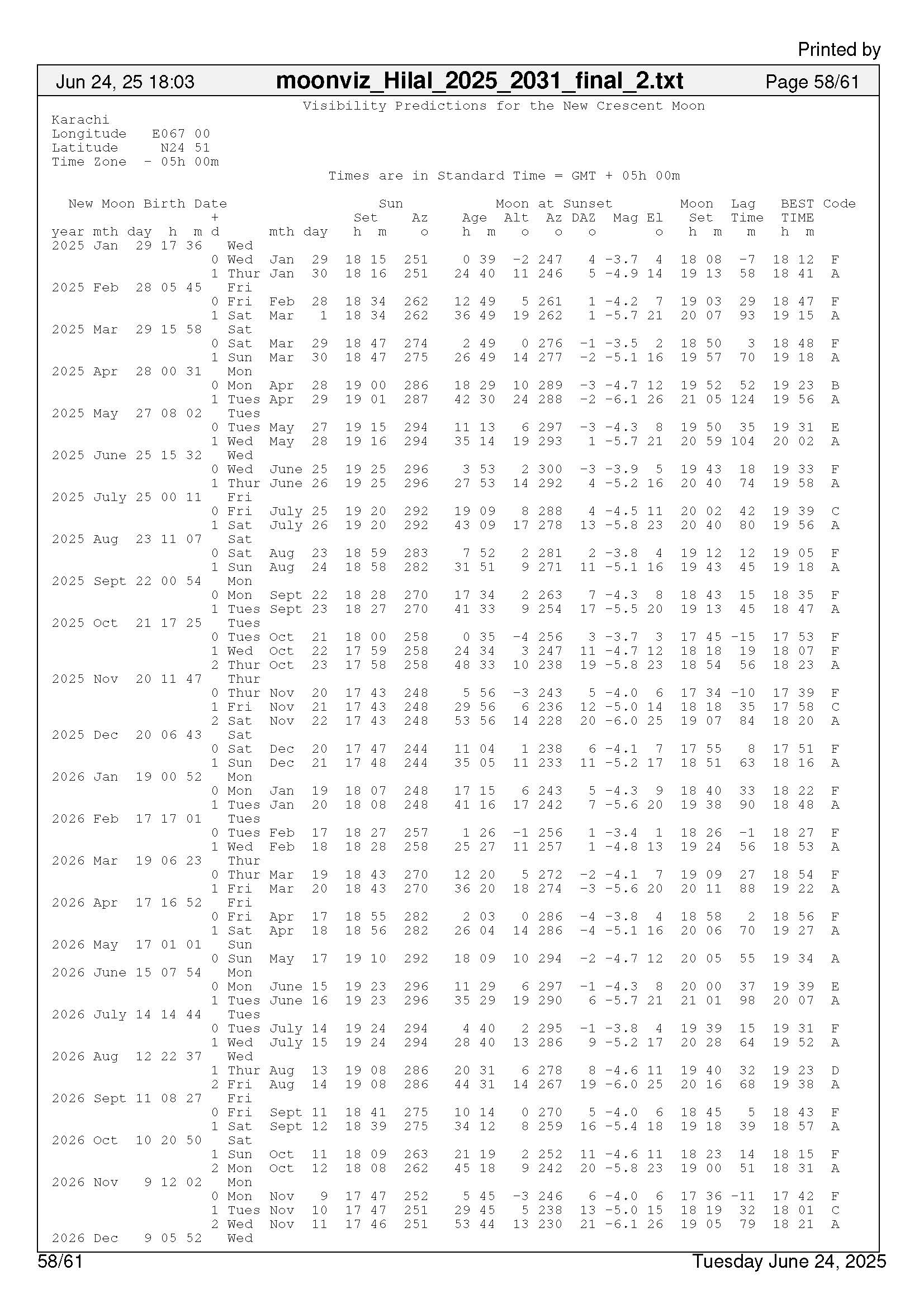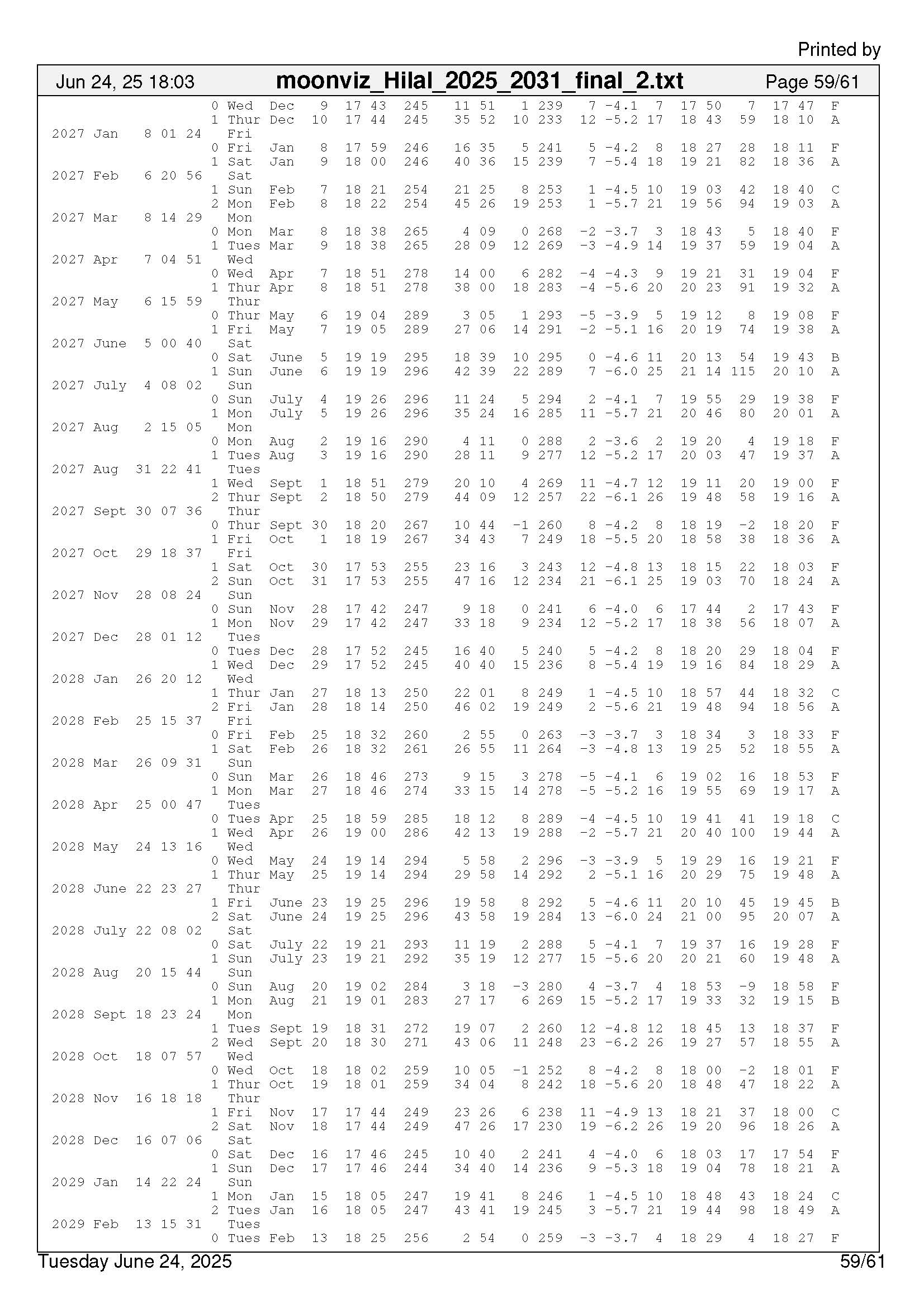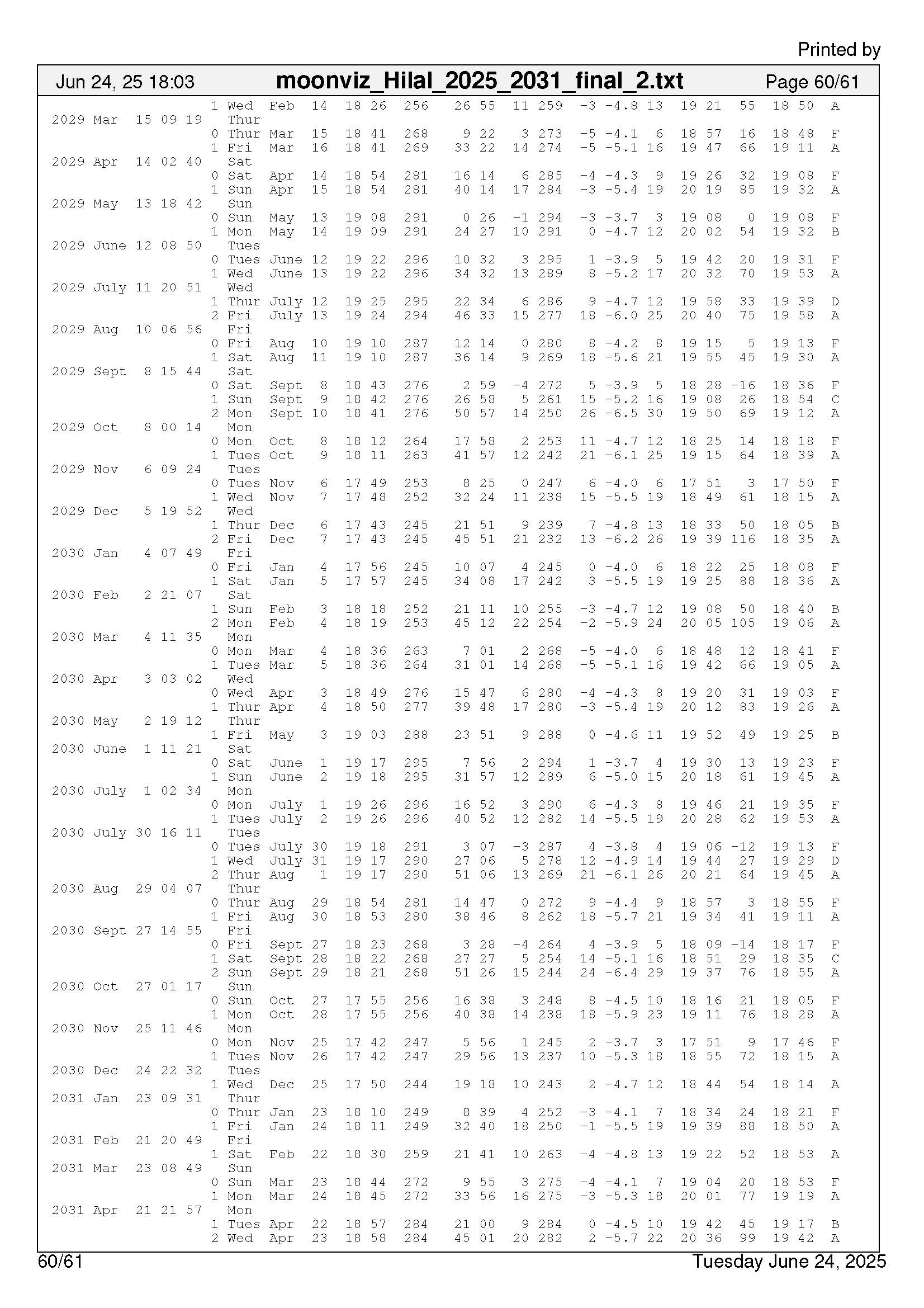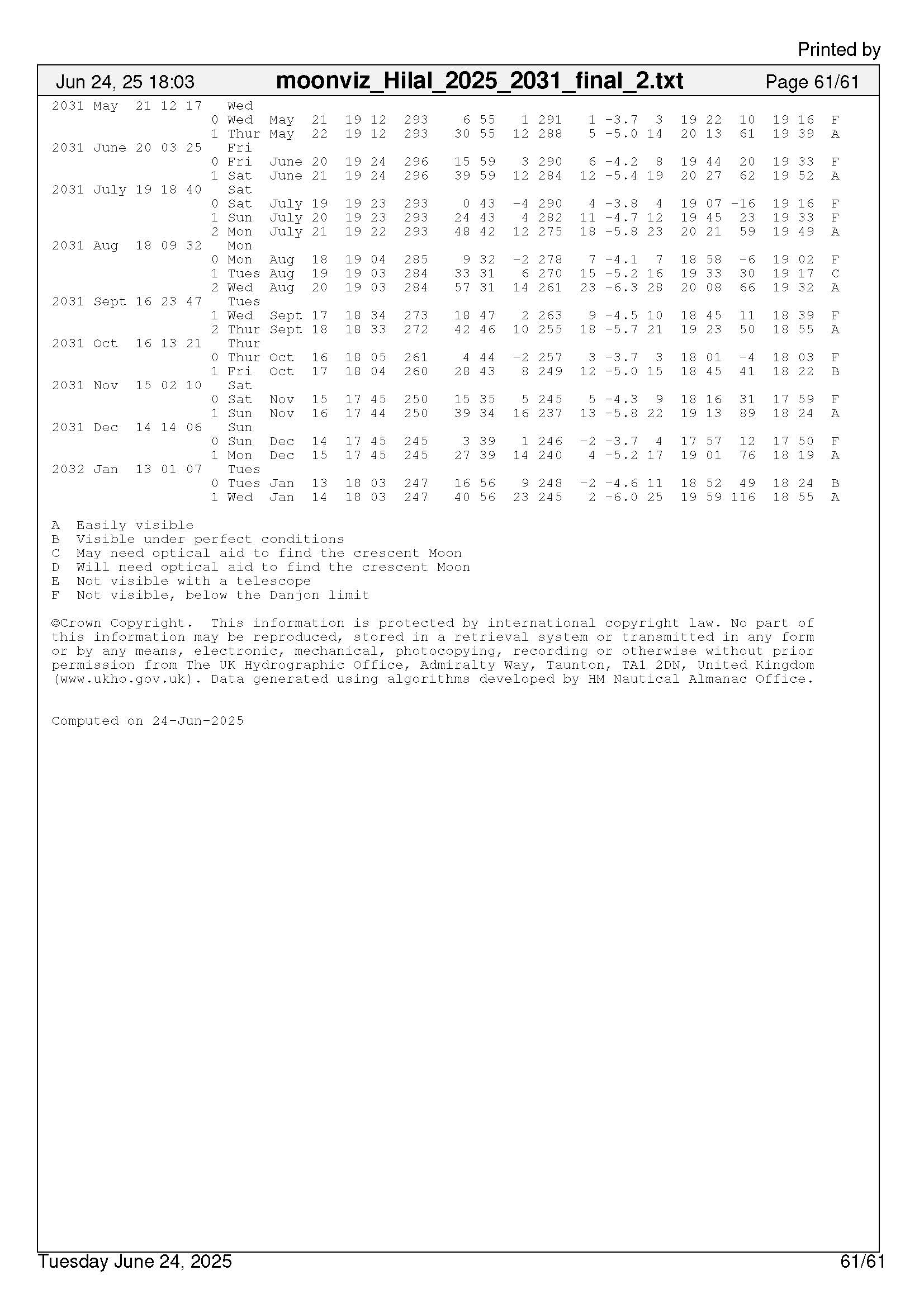

Observatory Data JAN 2025-2032, Rajab 1446-Shawwal 1453
Introduction
The period from January 2025 to January 2032 represents a critical phase in observational data collection across global observatories. With rapid advancements in astronomical instruments, satellite technologies, and data analytics, observatories are now capable of producing highly precise and reliable datasets. These observations play a vital role in understanding celestial events, climate patterns, and time-based phenomena.
Data Collection Methods
Modern observatories utilize a combination of ground-based telescopes, space observatories, and automated sensor systems. Data is collected through:
Optical telescopes for visible light observations
Radio telescopes for deep-space signals
Infrared sensors for heat-based detection
Satellite-based monitoring systems
The integration of AI and machine learning has further enhanced the accuracy and efficiency of data processing.
Key Observational Evidence (2025–2032)
During this timeframe, observatories have recorded:
Precise lunar cycle data for calendar synchronization
Solar activity patterns, including sunspots and solar flares
Planetary alignments and transits
Atmospheric and environmental changes linked to astronomical factors
This data is essential for scientific research, navigation systems, and calendar-based event predictions.
Reliability and Verification
Observatory data undergoes rigorous verification processes:
Cross-validation between multiple observatories
Calibration of instruments at regular intervals
Peer-reviewed analysis by scientific communities
Such measures ensure that the data remains consistent, credible, and globally accepted.
Applications of Observatory Data
The collected data has wide-ranging applications:
Astronomical research and discoveries
Climate monitoring and environmental studies
Navigation and satellite communication systems
Religious and cultural calendar determinations
Conclusion
The observatory data from January 2025 to January 2032 stands as strong evidence of scientific progress and technological advancement. It not only enhances our understanding of the universe but also supports practical applications that impact everyday life. Continued investment in observatory systems will further strengthen the accuracy and usefulness of such data in the future.
BRITSH OBSERVATORY DATA 2025-2032